


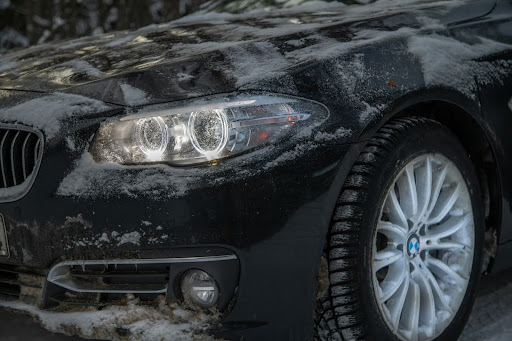
BMW ownership has always carried a certain expectation. You buy into strong engineering, refined driving dynamics, and a premium feel that makes everyday journeys more enjoyable. What often catches owners out isn’t the purchase price, but the ongoing cost of keeping a BMW in good shape year after year.
So what does it actually cost to run a BMW in the UK today? The honest answer is: it depends — but there are clear patterns most owners experience.
Servicing: the predictable baseline
Every BMW needs routine servicing, regardless of mileage or driving style. For most modern models, this includes oil services, inspection services, brake fluid changes, and coolant checks.
- Annual servicing typically costs between £250 and £400 at an independent BMW specialist
- Main dealers can push this closer to £500–£700, depending on model and location
BMW’s condition-based servicing helps space out visits, but over a year, most owners still budget at least one service. This is the most predictable cost, and the easiest to plan for.
MOTs and age-related wear
Once a BMW reaches three years old, the MOT becomes part of the annual routine. The test itself is inexpensive, but it’s often what it reveals that adds to the bill.
Common MOT-related repairs include:
- suspension arms and bushes
- brake discs and pads
- tyres
- exhaust components
On average, BMW owners should expect £300–£600 per year in wear-and-tear items once the car is out of warranty. Higher-mileage cars, or those driven primarily in cities, tend to sit at the upper end of that range.
Tyres: an underestimated cost
BMWs are heavy, powerful, and often rear-wheel drive or xDrive. That combination is not kind to tyres.
A full set of quality tyres for a typical BMW can cost:
- £600–£1,000, depending on size and brand
Many owners won’t need a full set every year, but averaged out, tyres alone often account for £200–£350 per year in running costs. Cheaper tyres exist, but most BMW drivers quickly notice the difference in ride quality and grip.
Insurance: quietly rising
Insurance costs have risen sharply across the UK in recent years, and BMWs haven’t been immune. Premium cars often fall into higher insurance groups, especially those with powerful engines or advanced electronics.
Typical annual insurance costs for a BMW now sit around:
- £700–£1,200, depending on age, postcode, and driving history
Urban areas and newer models with expensive repair parts tend to push premiums higher.
Fuel and tax: varies by engine, not badge
Fuel and road tax costs depend far more on engine choice than brand.
- Efficient diesel and four-cylinder petrol BMWs can average £1,200–£1,500 per year in fuel
- Larger petrol engines or performance models can exceed £2,000 annually
Vehicle tax ranges from modest figures on efficient models to significantly higher rates on older or high-emissions cars.
Unexpected repairs: where budgets are tested
This is the area that creates the biggest variation between owners.
Modern BMWs are packed with technology — sensors, control modules, and electronic systems that improve performance and safety but add complexity. When things go wrong, costs can escalate quickly if parts are sourced poorly or diagnostics are rushed.
Common unexpected repairs include:
- suspension and steering components
- electronic sensors and modules
- cooling system parts
- lighting and driver-assistance components
For cars outside warranty, many owners budget £500–£1,000 per year for unforeseen repairs. Some years this won’t be needed; other years it will be very needed.
How parts sourcing affects yearly cost
One of the biggest factors influencing annual BMW running costs isn’t the car itself — it’s how car parts for BMWs are sourced.
Dealer-only repairs push costs to the top end of every estimate. Independent specialists and BMW-focused parts suppliers allow owners to reduce bills significantly without cutting corners on quality.
This is why many owners turn to national BMW car breakers such as MT Auto Parts as reference points when repairs are needed. Not necessarily to buy immediately, but to understand what parts are realistically available, what should be replaced, and what a fair market price looks like before committing to a repair.
So what’s the real yearly total?
For most BMW owners, realistic annual running costs break down roughly as follows:
- Lower end (well-maintained, efficient models): £2,000–£2,500 per year
- Average ownership: £2,800–£3,500 per year
- Higher-performance or ageing models: £4,000+ per year
These figures exclude finance payments, but include servicing, insurance, fuel, tyres, and repairs averaged over time.
The bottom line
BMW ownership isn’t cheap, but it’s rarely as unpredictable as it’s made out to be. Most costs follow clear patterns, and owners who plan ahead, service properly, and source parts sensibly tend to enjoy far fewer surprises.
The key difference between a “painful” BMW ownership experience and a manageable one often comes down to preparation. Knowing what to expect and where to look when repairs are needed makes all the difference.
In short, keeping a BMW on the road costs more than running a basic hatchback. But for many drivers, the balance of performance, comfort, and driving enjoyment still makes it a price worth paying.