


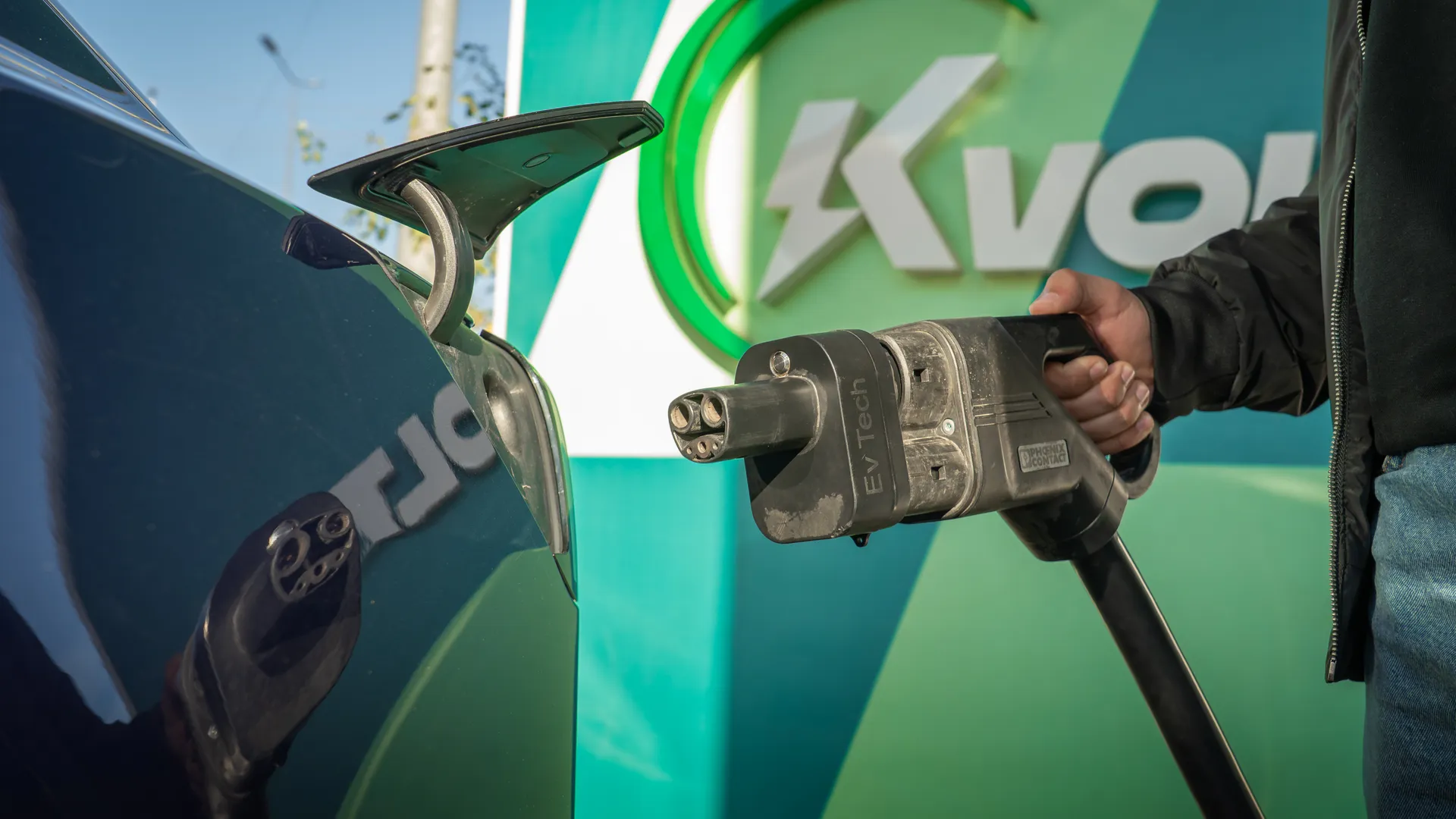
The electric vehicle debate has moved well past the question of whether battery power will catch on. For the ordinary UK driver, the conversation now centres on something more concrete: whether an electric car genuinely fits the way they live and travel.
Industry data, including figures from the trade body that tracks UK vehicle registrations, shows that battery electric models now make up a meaningful and growing share of new cars on the road. That shift matters even to drivers with no immediate plans to buy, because it shapes the used market, the charging network, and the resale value of whatever they currently drive.
Running costs are usually the first consideration. Charging at home, particularly overnight on a suitable tariff, tends to work out cheaper per mile than filling a petrol or diesel tank, though the gap narrows for those who rely heavily on public rapid chargers. Servicing can also be lighter, since an electric drivetrain has fewer moving parts than a combustion engine, with no oil changes and reduced wear on certain components. Against that, buyers must weigh a typically higher purchase price, even if the total cost across several years can land in their favour.
Range anxiety, once the defining objection to electric ownership, has eased considerably, though it has not disappeared entirely. Modern batteries comfortably cover the daily commute and weekly errands that most households actually make. The real friction appears on long motorway journeys, where planning charging stops becomes part of the trip. Drivers without off-street parking face a separate challenge, because home charging is the single biggest convenience in electric ownership, and not everyone can install a charger at their front door.
The used electric market is where things get particularly interesting for budget-conscious buyers. As more leased and company cars cycle out after a few years, the supply of second-hand electric models grows and prices come down. Buying used does require attention to battery health, so requesting a state-of-health check is a sensible step, in the same way a buyer would inspect any major mechanical component on a conventional car.
For anyone weighing the switch, the honest answer remains that it depends on personal circumstances. Drivers with home charging, predictable daily mileage, and a habit of keeping cars for several years will find the maths increasingly favours electric. Those covering high mileage with no home charging face a more mixed picture, and a hybrid may well bridge the gap more effectively.
The technology has long since passed the experimental stage. The decision now comes down to fit, and that is a considerably more straightforward question to answer.
