


The Iran war global economy has avoided the catastrophic meltdown many predicted six months ago, yet oil markets remain severely disrupted, food security is worsening, and the family of President Donald Trump stands among the financial winners.
The conflict began on 28 February when the US and Israel launched strikes on Iran. Dire forecasts of worldwide recession and surging commodity prices followed immediately. Most have not materialised, but the damage has been uneven.
‘So far, the global economy has pulled off the financial equivalent of a “Mission Impossible” scene,’ said Michael Ashley Schulman, an investment strategist with Cerity Partners.
Iran war global economy: Hormuz bottleneck hits oil supply
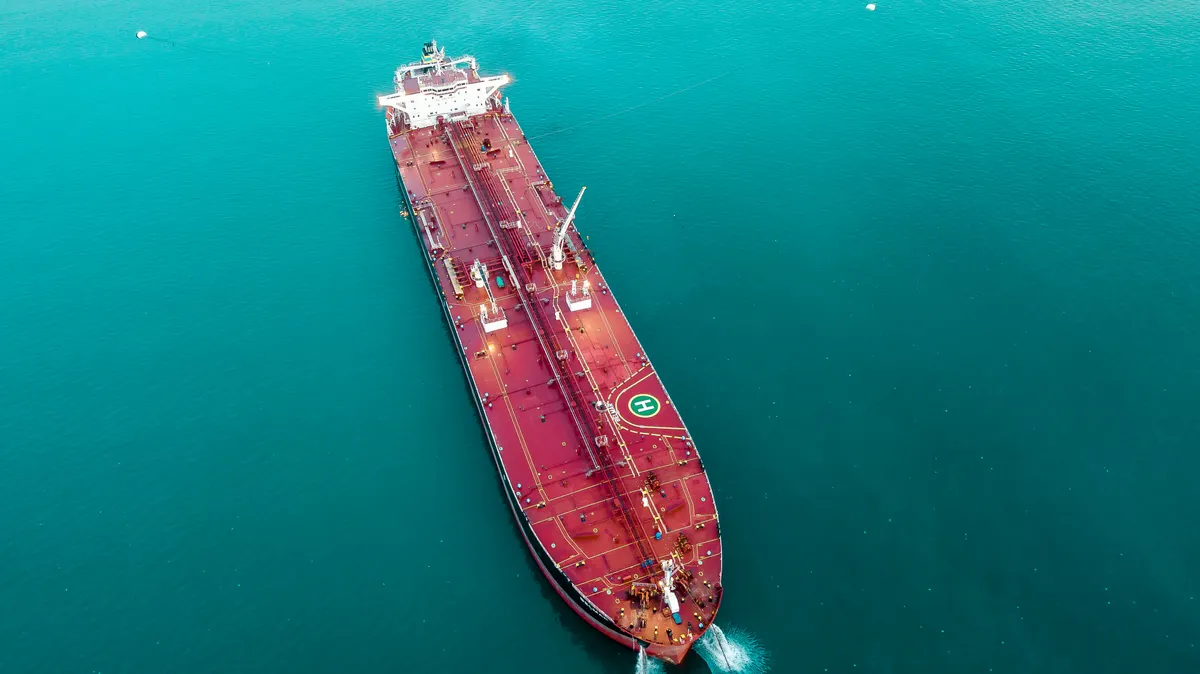
The Strait of Hormuz, the world’s most critical oil chokepoint, has been brought close to a standstill. From 15 July to 23 August, an average of about five vessels a day passed through the strait, a near-95% drop from pre-war traffic levels, according to Al Jazeera.
The effect on supply has been severe. Gulf crude exports have fallen by nearly half, dropping from about 17 million barrels a day in 2025 to roughly nine million barrels per day as of August 2026, a 47% decline, Al Jazeera reported.
Brent crude climbed from a pre-war close of about $72 a barrel to nearly $120 at its peak. Prices have eased since but remain about 20% above pre-war levels.
Jet fuel is expected to cost on average 70% more than in 2025, according to the International Air Transport Association. Airlines have raised ticket prices, imposed fuel surcharges and cut routes. Lufthansa Group trimmed 20,000 short-haul flights. Spirit Airlines collapsed entirely.
‘The likelihood that fuel surcharges are going to be rolled back and airfares are going to be brought down is very low over the next few months,’ said Brett House, a Columbia University economist.
Stock markets recover as AI enthusiasm offsets war drag
Investors who held their nerve have been rewarded. Wall Street fell sharply in the opening weeks, with the Dow and Nasdaq entering corrections and the S&P 500 recording its worst month since 2022.
Since the market bottomed in late March, however, the Dow has gained nearly 19%, the S&P is up almost 22% and the Nasdaq has surged 27%.
The International Monetary Fund, in a July report, said the economy was ‘being shaped by two major forces, pushing in opposite directions’, with war straining growth while enthusiasm over artificial intelligence provided an offset.
Electric vehicle sales have also risen sharply. Worldwide, EVs are projected to account for 29% of total vehicle sales in 2026, up from 25% in 2025, according to an International Energy Agency outlook. Year-over-year EV growth reached 110% in Singapore, 180% in New Zealand and 300% in Colombia.
The food picture is bleaker. Fertiliser prices peaked in April at 44% above pre-war levels, according to the World Bank’s price index. The United Nations World Food Programme has warned that tens of millions could be pushed into hunger.
‘An oil tanker anchored in the Strait of Hormuz can mean one less meal a day for a child in Sudan,’ said Carl Skau, the WFP’s acting executive director, in testimony this week.
The Trump family’s finances have fared well. Military contractor Powerus, being taken public by Eric Trump and Donald Trump Jr., won an Air Force contract worth as much as $90 million to supply drone interceptors. The private equity firm 1789 Capital Management, which Don Jr. joined after his father’s re-election, holds stakes in Anduril, which won US approval for up to $2 billion in drone interceptor sales to Kuwait, as well as SpaceX and rocket maker Firehawk Defense.
Democrats released a report this week saying Trump’s holdings in oil and gas stocks have risen by as much as $15.5 million. A White House spokeswoman, Anna Kelly, said ‘there are no conflicts of interest’ and that ‘President Trump only acts in the best interests of the American public.’
The conflict has been unpopular with voters, and could weigh on the president’s party as midterm elections approach.
