


The Greenland Energy drilling delay has stretched to the end of 2027, an 18-month setback, after a dispute over equipment movement permits forced the Texas-based company to stand down its rig mobilisation this week.
Chief executive Robert Price told Fortune he was disappointed but undeterred, and that the company’s finances remained sound despite its market capitalisation falling nearly 85% to about $54 million since listing on Nasdaq in March.
“It was very frustrating. We’ve had some ups and downs in the last week or so,” Price said. “We preserved a lot of cash on hand. Financially, we’re still very sound.”
Permit row triggers Greenland Energy drilling delay
The immediate cause of the latest setback was a permit to move drilling equipment that had expired at the end of 2025. As a renewal was pending, the company struck a deal with Greenland Airports authority to store equipment at the nearby Nerlerit Inaat Airport. It later emerged an additional permit from the government’s minerals authority was also required.
CNBC reported that Greenlandic authorities issued a formal warning to White Flame Energy, the 80 Mile subsidiary through which the licences are held, after the equipment was moved without the required approval. The Greenland government described it as a “strong warning” and added that all future logistical matters must be approved by the mineral resources authority before being carried out.
Price said the misunderstanding was now resolved. “There’s a lot of time now to make sure that we get it right,” he said.
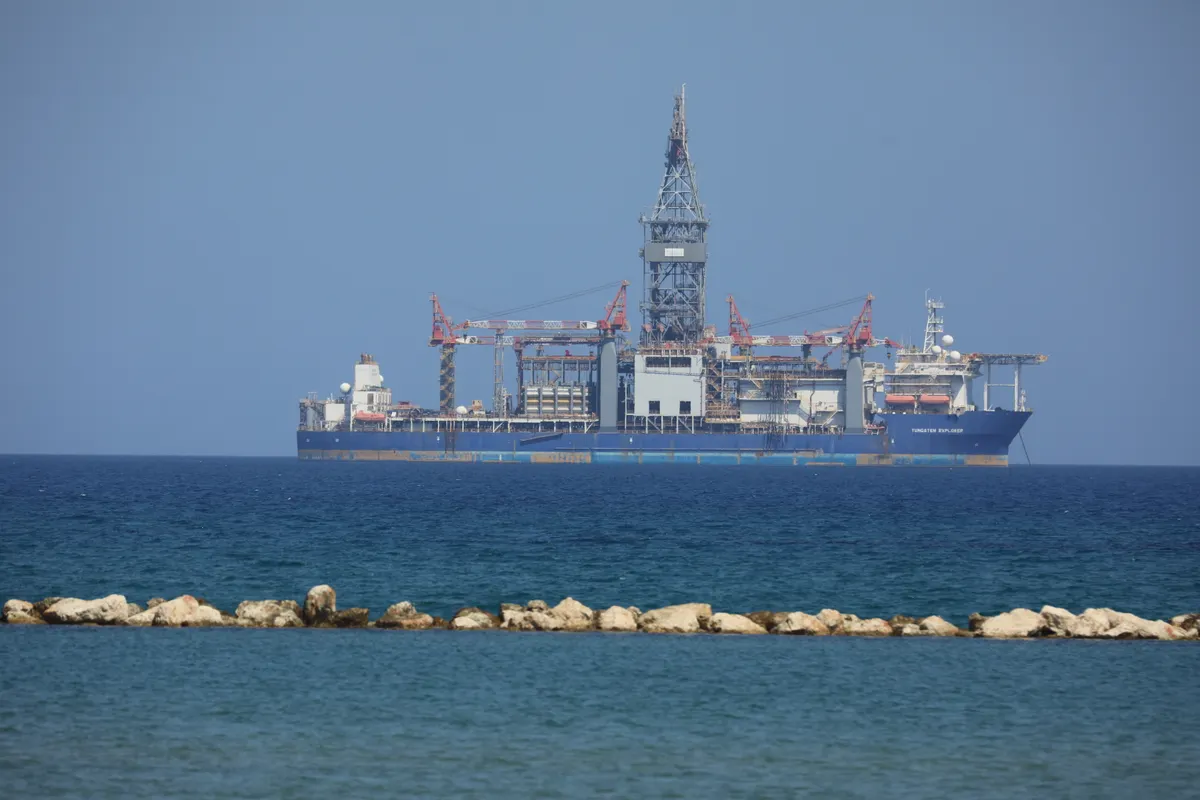
A drilling rig had been en route from Calgary to Montreal before the mobilisation was halted. Price acknowledged “sunken costs” but said much of the expenditure could be carried forward to the next drilling season.
Prize intact despite mounting setbacks
Greenland Energy holds grandfathered exploration licences in the Jameson Land Basin on Greenland’s east coast, the only active licences in the territory that have not expired. The licences were originally won by London-based White Flame Energy and received three-year extensions in 2024. UK-based 80 Mile acquired White Flame later that year, and Price’s company partnered with 80 Mile to operate the project, with 80 Mile retaining a 30% stake.
Price estimates the test well could hold up to 2.9 billion barrels of oil. “The prize is still there, and the upside is still there. The timing is the only thing that’s changed,” he said.
The Greenland government had previously asked the company to shift drilling from summer to winter for environmental reasons. Price said the colder season would allow the rig to travel over frozen tundra without disturbing it, and that migratory birds would have already left. He acknowledged the risks: “The winter can be unpredictable in the Arctic Circle, and so we do worry about the health and safety of our people if someone got injured, being able to get them out.”
Greenland operates a moratorium on new oil and gas licensing on climate grounds, but Greenland Energy’s operations rely on the pre-existing licences, which pre-date the ban.
The broader context has complicated matters further. President Donald Trump has repeatedly signalled a desire to annex Greenland in order to access its petroleum and critical minerals, raising the diplomatic temperature around any commercial drilling activity in the territory.
Eastern Greenland’s Jameson Land Basin has never been drilled. If permits arrive on schedule, the first test well is now targeted for the end of 2027. Price said the company at least had “a real clear timeline on the permitting” going forward. A documentary project overseen by producer Phil McGraw, known as Dr. Phil, remains on pause.
