


The Kandahar grape export collapse has gutted incomes across Afghanistan’s most productive fruit-growing region, with border closures caused by fighting between Afghanistan and Pakistan leaving growers unable to shift a bumper harvest.
Abdul Baqi Bina, deputy director of the Kandahar Chamber of Commerce and Investment, said five southern Afghan provinces exported 44,225 tons of grapes worth $13.8 million in 2025. So far this year, only 256 tons have left the country, valued at $100,000.
Nearly all of last year’s exports (43,000 tons) went to Pakistan, with the remainder reaching Bangladesh, Iraq and India, Bina said. The Pakistan border is now effectively shut.
Kandahar grape export collapse leaves workers with almost nothing
The human cost is stark. Last year, the orchard where picker Qudratullah Popal worked employed about 1,500 workers. This year, he said, that number has fallen to around 15.
‘When routes are blocked and trade halts, everyone’s livelihood is paralyzed, traders, laborers and orchard owners alike,’ Popal said.
For months, Afghanistan and Pakistan have traded fire sporadically across their mountainous border, leaving hundreds of people dead. Islamabad accuses the Taliban government of harbouring militants who carry out attacks inside Pakistan, a charge Kabul denies. The fighting has brought border closures that have severed trade routes critical to Afghan producers.
Unable to send fresh fruit to Pakistan, growers have flooded the domestic market, pushing prices down. Many have since turned to drying their grapes into raisins, though that has provided little relief.
Sakhi Jan, who owns an orchard in Kandahar’s Zhari district, said seven kilograms of raisins once sold for 1,000 to 1,200 afghanis ($13 to $16). The same quantity now fetches just 400 to 450 afghanis ($5 to $6). Jan has ten people in his household to feed.
‘We are grateful, but things aren’t like they used to be, the struggle is much harder now,’ he said. ‘The hardship is immense.’
Growers urge both governments to reopen crossings
Grape exporter Haji Abdul Hai said he had never seen the border roads closed to this extent in 50 years.
‘In the past, previous border closures would usually last for a few days, or one crossing would close while another remained open,’ he said. ‘But now, we are facing truly major difficulties.’
Bina said the closure has hit pomegranate exports alongside grapes, broadening the damage across the region’s fruit sector.
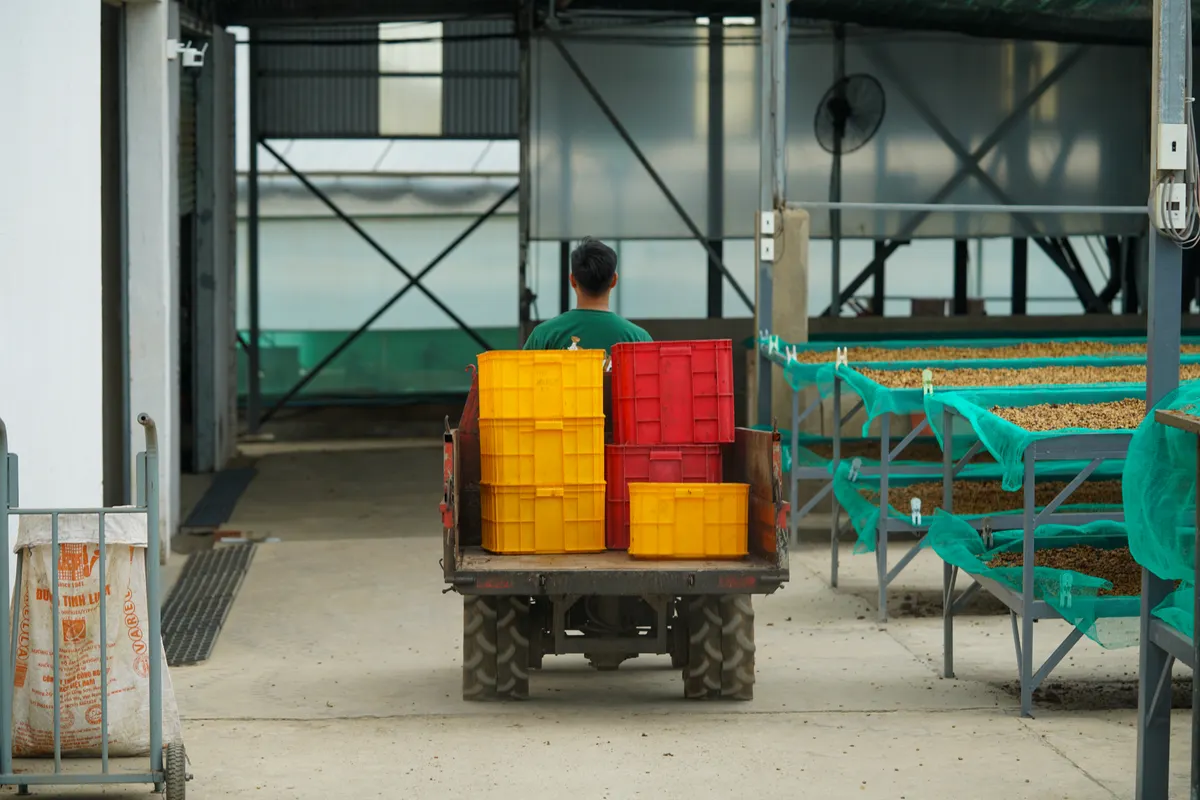
In Zhari’s drying warehouses, fans stir hot summer air over rows of plump green grapes hanging on sticks, fruit that would ordinarily be bound for Pakistani markets.
Jan and others are calling on Kabul and Islamabad to act. ‘We urge both our government and Pakistan to open these routes and reach an agreement,’ Jan said. ‘The current situation is causing great hardship.’
Bina has said the border must reopen for exports to recover. With only 256 tons shipped against last year’s 44,225, the gap will not be closed by domestic sales alone.
