


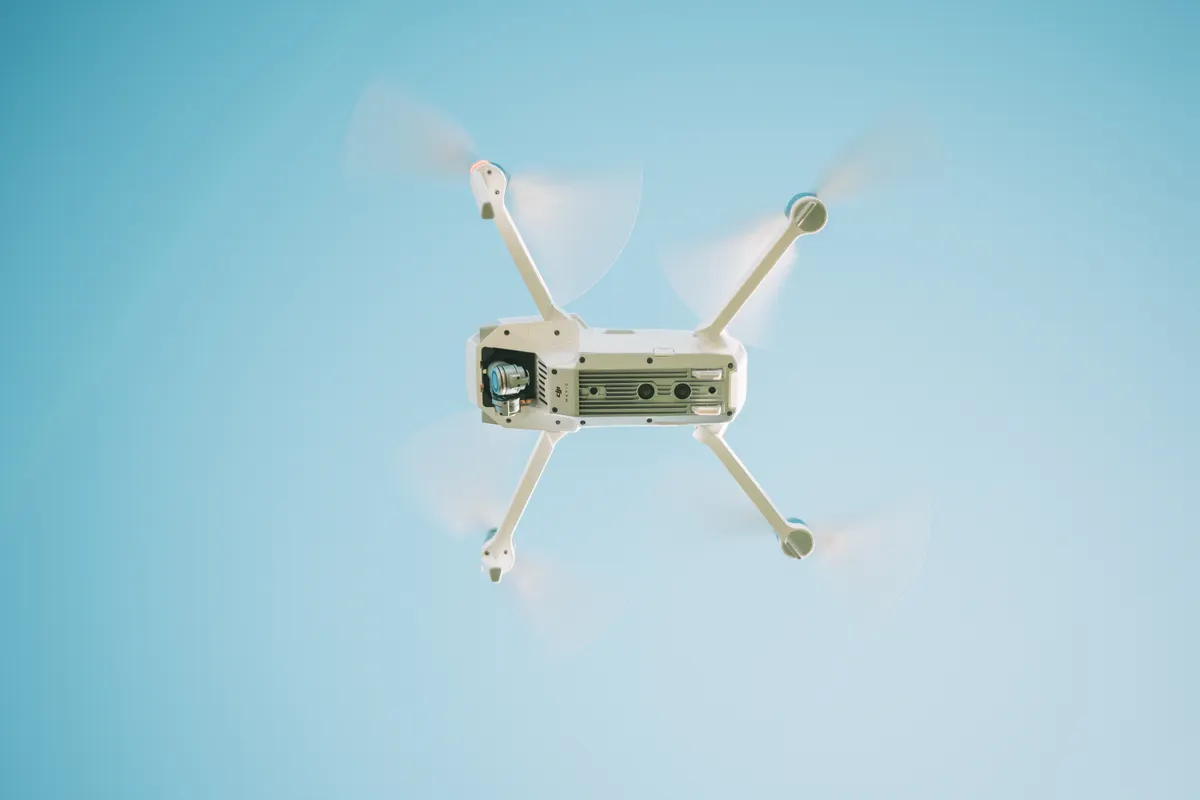
Amazon drone delivery expansion is set to reach nearly 500 US cities and towns by the end of this year, the company announced on Wednesday, representing a sixfold increase in its drone network footprint and covering tens of millions of customers.
The push extends service to the Chicago, Syracuse, Cleveland and Atlanta areas, among other metro areas, adding to existing operations in San Antonio, Baton Rouge and Kansas City.
According to StatTimes, Prime Air currently operates from 11 sites across 10 US metro areas in seven states, including Arizona, Florida, Kansas, Louisiana, Michigan, Nebraska and Texas.
FAA certification underpins Amazon drone delivery expansion
Prime Air holds Federal Aviation Administration (FAA) Part 135 certification, the same regulatory framework applied to commercial air carriers, according to Amazon Official News. The certification represents the highest level of FAA oversight for drone delivery operations.
Gaining that approval has been a prolonged battle. The FAA’s standard methods for evaluating aircraft were built around human-piloted planes, leaving Amazon to construct safety standards from scratch for landing in residential gardens.
In recent regulatory filings, Amazon said GPS signals degrade at lower altitudes, and asked regulators for permission to use a special wireless frequency in some drone tests. A separate FAA rule that would allow longer flights beyond an operator’s line of sight awaits approval.
How the service works and what it costs
Drones depart from Amazon fulfilment sites and can deliver items weighing five pounds or less in as little as 30 minutes. Eligible items must fit in a large shoebox and are ordered through the Amazon app.
Delivery is free for Prime members spending £50 or more. Otherwise, Prime members pay $2.99 per delivery; non-Prime members pay $4.99.
Current drones operate within a roughly seven-mile radius and are confined mainly to suburban locations to avoid tall buildings and other obstacles. Prime Air boss David Carbon said the company has delivered hundreds of thousands of packages by drone this year.
That figure, while growing, remains a fraction of the nearly 20 million packages Amazon delivers every day in the US, according to market research firm ShipMatrix.
Setbacks and competition
The road to this point has not been smooth. In autumn 2025, two Amazon delivery drones collided with a crane in Arizona, causing damage and a fire. This July, one crashed into a garden during a delivery attempt in Darlington in the UK. Amazon has also closed its original test sites in Lockeford, California, and College Station, Texas.
Rival Walmart, working with Alphabet’s Wing, recently added seven new delivery markets and plans to reach more than 40 million American customers by 2027.
Josh Lowitz, co-founder of Consumer Intelligence Research Partners, which studies Amazon Prime members, visited the Prime Air drone lab in Seattle and said battery and sound technology remain areas of active development. ‘If the delivery range goes from seven miles to 15 miles, they could reach people in rural areas,’ he said.
Speed and the broader delivery push
The drone expansion sits within a wider effort to cut delivery times. Amazon operates at least 65 so-called sub-same-day centres across the US, alongside small inner-city locations stocked with perishable items, according to logistics consultant MWPVL International.
The company funds its logistics network partly through seller fees, which account for nearly a quarter of overall revenue, and through its more than 200 million Prime members, each paying $139 a year.
Amazon has not disclosed how many drone deliveries it expects per day in each new location, or the size of its fleet per site.
