


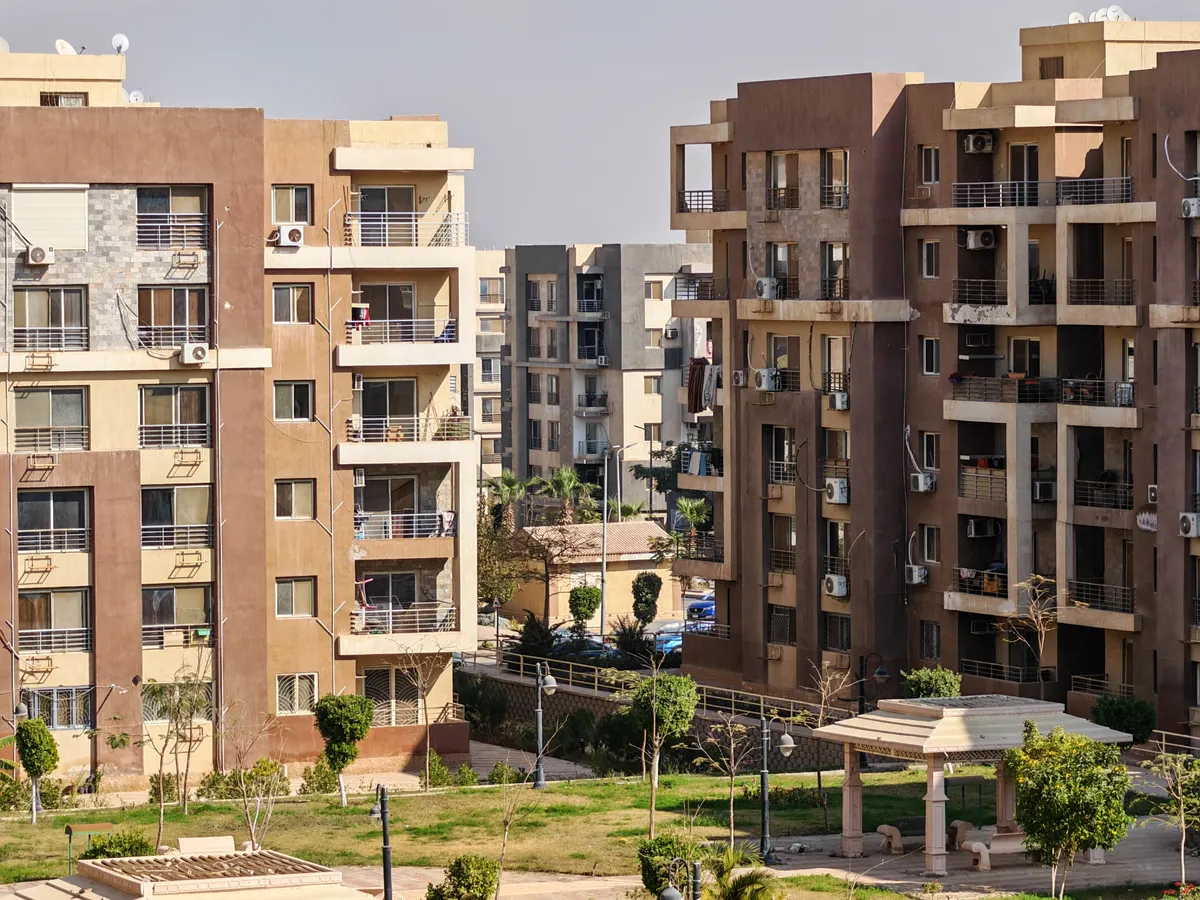
The Austin low-income housing shortage has left the city with just 543 homes built for its poorest residents against a target of 20,000, even as all 15,000 units planned for higher earners were delivered, city documents show.
Mathew Davis, 49, lives in an Austin homeless shelter. The few hundred dollars a month he earns donating blood plasma is not enough to rent even a $450-a-month tiny home with no running water and a shared bathroom.
Yet more than 4,500 units the city classifies as affordable sit empty, a vacancy rate of nearly 16%, according to real estate data firm CoStar. A healthy vacancy rate is around 5%.
Austin low-income housing shortage rooted in who the funding targets
The federal Low-Income Housing Tax Credit (LIHTC) is the main engine of affordable housing construction in the United States. The programme provides tax credits to developers in return for keeping rents low for at least 30 years.
According to Housing Solutions Lab, LIHTC has contributed to the development and preservation of over 3.5 million units nationwide since its establishment by the Tax Reform Act of 1986. In 2024 alone, it cost an estimated $13.6 billion in foregone federal tax revenue.
But only about 12% of LIHTC-financed units in 2024 were set aside for extremely low-income renters, those earning 30% or less of their area’s median income, according to figures from the National Council of State Housing Agencies. The majority went to those earning at least 50% of area median income.
In Austin, that means housing aimed at a single person earning roughly $47,000 a year, compared with an extremely low-income person earning under $28,000.
Across the country, there are only about 4 million affordable rental units available for 11 million extremely low-income renter households, according to the National Low Income Housing Coalition‘s most recent annual report. About three-quarters of those households pay over half their income on rent and utilities.
Why affordable rents and market rents are converging
Affordable housing rents for 60% area median income (AMI) units are now approaching market-rate rents in cities including Austin, Denver and Portland, Oregon.
Some renters are opting for market-rate apartments, drawn by faster approvals and fewer paperwork requirements, leaving affordable units vacant.
LDG Development, an affordable housing developer, reported a 12% vacancy rate for its 60% AMI units in Austin. Chief portfolio officer Rebekah Fischer said LDG is “in direct competition” with thousands of new market-rate apartments in the city.
“I have to have every bank statement, every pay check, every bill, every Venmo transaction that you had with your friends,” Fischer said of the affordable housing application process. At a market-rate property, she said, approval can take “two minutes.”
In Denver, the Colorado Housing and Finance Authority reported a 13% vacancy rate among 60% AMI units and a 21% vacancy rate for 80% AMI units. Portland recorded over 1,700 vacant affordable units, an overall vacancy rate of 7.5%, according to the Portland Housing Bureau. Most were for those earning around 60% AMI, with rent capped at $1,444 a month, close to the average $1,581 market-rate one-bedroom rent, per CoStar figures shared by the bureau.
The economics for developers are stark. Carmen Romero, president and chief executive of True Ground Housing Partners, a Washington DC-area affordable housing developer, set out the numbers: a 60% AMI unit brings in $1,715 a month in rent, against $1,575 in mortgage and operating costs, leaving $140.
“The math does not lie,” Romero said, noting that an extremely low-income tenant would pay only half that rent. “Our expenses don’t make it really possible to create a 30% AMI unit, unless there was this extraordinary amount of subsidy that just doesn’t exist.”
Chris Edwards, an economist at the Cato Institute, told Congress the programme’s complexity had “spawned” an industry of law and accounting firms to administer it. “If you’re going to subsidize affordable housing, you should give the money directly to tenants,” he said, referring to housing vouchers.
Austin’s housing department said it recognised the need to do more for the poorest residents and was giving preference to funding proposals that include 30% AMI units, in response to questions from the Associated Press.
For Davis, the gap between policy and reality is simple. “I want to shut the door at night and be able to sleep,” he said. “I really just want to find the right place.”
