


The Canada Asia trade pivot is accelerating, with Canadian oil exports to China and South Korea surging and the first liquefied natural gas cargoes crossing the Pacific, yet a widespread lack of basic market knowledge on both sides of the ocean threatens to slow progress, according to the Asia Pacific Foundation of Canada.
The United States received 65% of Canadian goods and services exports in the first half of 2026, down from roughly 75% in 2024. Barrett Bingley, Asia Regional Director of the Foundation and a former senior policy adviser to Canada’s foreign and trade ministers, says no single market will replace the US, meaning Canadian companies must develop several smaller markets at once.
The European Union and China each absorbed about 5% of Canadian exports in the same period.
Energy drives Canada Asia trade pivot as LNG cargoes reach new milestone
Energy is leading the charge. Alberta’s oil exports to China and South Korea rose by 122% and 227% respectively in the first four months of 2026, figures that come on top of a broader shift: the Canadian Energy Regulator says crude oil exports to destinations other than the United States were worth $10 billion in 2025, averaging roughly 430,000 barrels a day, up from effectively zero before 2024.
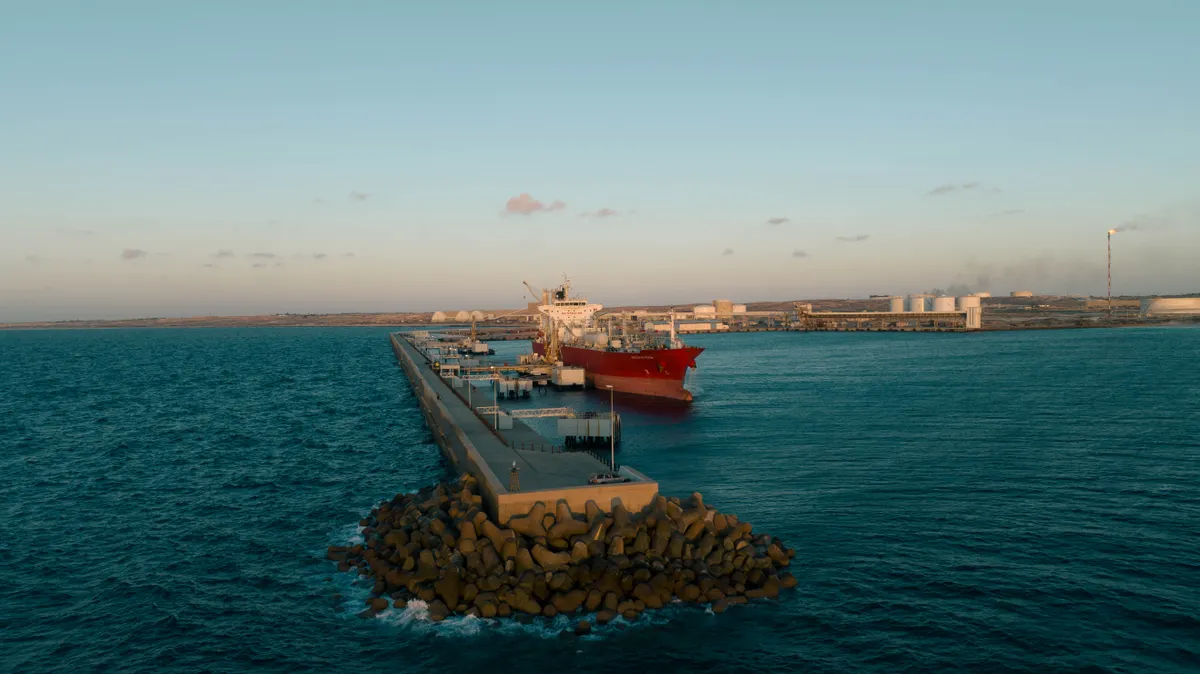
LNG Canada’s export terminal in Kitimat, British Columbia, shipped its first cargo in mid-2025 and has since marked the departure of its 50th cargo, according to the China Institute, University of Alberta. The facility is ramping toward a Phase-1 capacity of roughly 14 million tonnes per year. The project is backed by Petronas, Korea Gas, Mitsubishi and PetroChina.
Japan and South Korea are the immediate priorities beyond energy, Bingley says. Much of Canada’s trade with both countries already is, or soon will be, tariff-free. Canada supplies energy and agricultural products; Japan and South Korea provide batteries, semiconductors, machinery and shipbuilding capacity. A Taiwan-Canada Trade Cooperation Framework awaits signing and promises similar benefits.
In Southeast Asia, Vietnam, Malaysia and Singapore are all partners in the Comprehensive and Progressive Agreement for Trans-Pacific Partnership (CPTPP). Vietnam offers manufacturing demand and growth; Malaysia presents industrial and processed-food opportunities; Singapore is described as both a regional base and a sophisticated end-market for niche agrifood and technology products. India and Indonesia are categorised as high-growth, higher-friction markets with demand for machinery, industrial technology, infrastructure and specialty inputs. China will remain a selective destination, focused on pulp, paper, industrial materials and premium consumer goods, given national security sensitivities and overcapacity concerns.
Survey data exposes knowledge gap holding back Canada Asia trade pivot
The trade agreements and institutional support already exist. The problem, Bingley argues, is that too few businesspeople on either side of the Pacific know what they cover.
Polling by the Angus Reid Institute for the Asia Pacific Foundation found that 73% of Canadians say they know little or nothing about South Korea; 82% say the same of Singapore, and 90% say the same of Malaysia. Yet 78% of Canadians said they supported CPTPP membership.
The gap is equally wide on the other side. A Kadin Business Pulse survey of 276 Indonesian firms found 84% of respondents had either never heard of or knew very little about the Indonesia-Canada free trade agreement. Among those who were aware it existed, interpretations of what it covers varied widely.
Bingley says he hears comparable anecdotes from Vietnam’s private sector, particularly outside the tech-manufacturing segment.
His conclusion is direct: governments can only do so much. Private-sector companies on both sides must educate themselves, travel to the markets, and test products. The institutional framework is there; companies must take the first step.
LNG Canada’s Kitimat terminal, now past its 50th cargo, offers the clearest sign so far that the infrastructure underpinning those first steps is already in place.
