


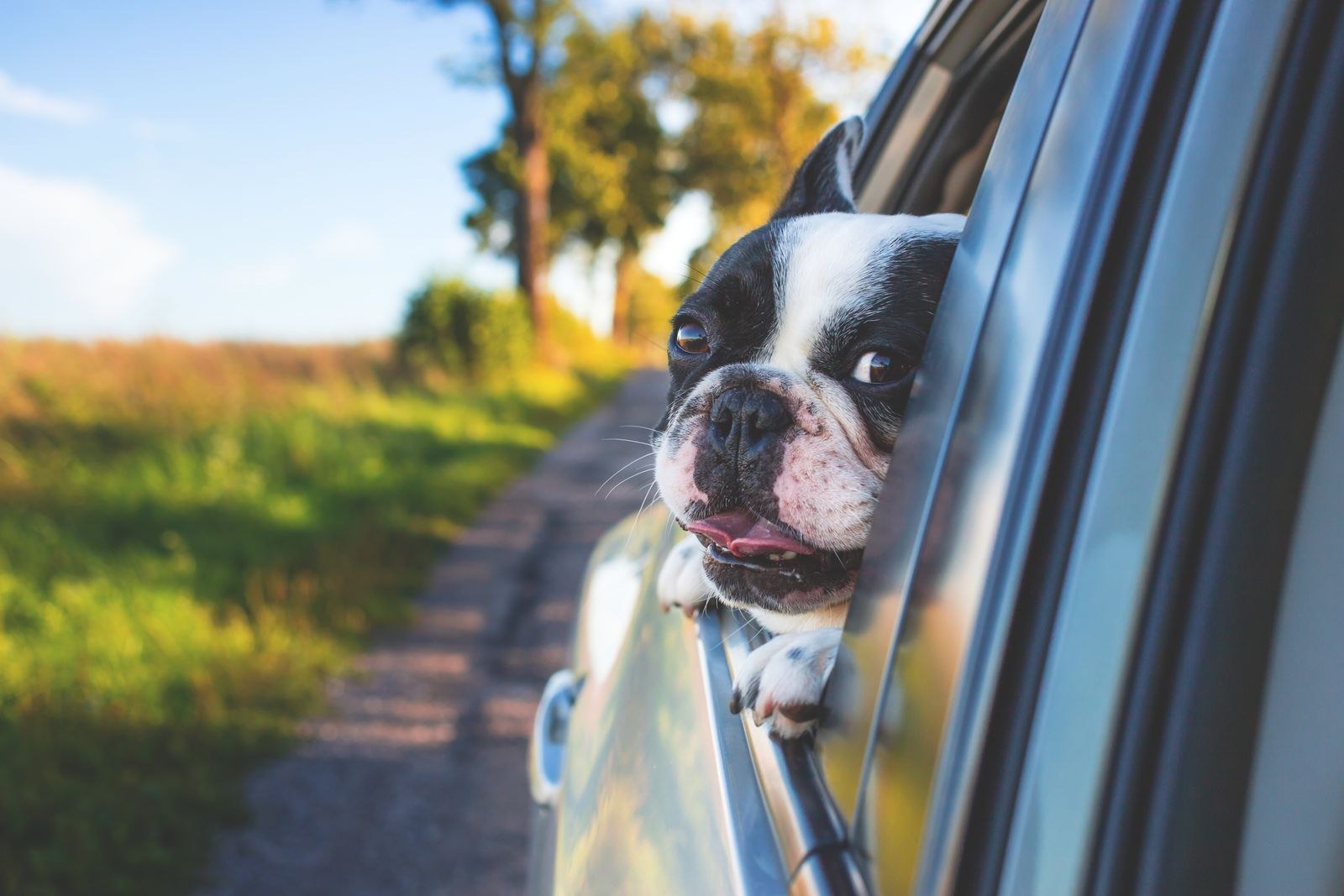
Whether you’re planning a pet-friendly trip or leaving pets at home, enjoy your holiday and save money with expert advice on destinations, packing, and how travel insurance can help.
For many of us, pets aren’t just companions; they’re family. So, when the holiday time comes around, it’s only natural to want to bring your four-legged friend along for the adventure. While some types of travel remain unsuitable for pets, others are becoming more accommodating, especially if you know where to look.
So, what are your best options for a pet-friendly break?
Cruising with pets: the one ship that says yes
Mark Barton, a cruise expert working with Avanti Travel Insurance, says, “As a rule, most cruise ships do not allow passengers to bring their pets on board, except for service animals.”
However, if you’ve dreamed of sailing with your pet, one cruise line stands out: Cunard’s Queen Mary 2, the only major cruise ship that permits pets on board.
The ship provides a distinctive experience for animal enthusiasts, featuring a dedicated kennel programme with full-time pet staff, daily walks, play areas, and thoughtful extras like monogrammed coats and keepsake name tags for furry travellers. The service is available on select Transatlantic Crossings between Southampton, England, and New York City, USA.
Mark Barton adds, “They offer a dedicated kennel service, full-time pet staff, and even play areas, but availability is limited and spots book up well in advance, so planning ahead is essential.”
Top pet-friendly staycations and holidays
Flexibility is essential when planning a holiday with your pet, and luckily, there are plenty of options designed to welcome furry companions.
“Staycations are a great choice,” says Sarah Rodrigues, an award-winning travel writer. “Across the UK and Europe, there’s a growing number of pet-friendly cottages, hotels, and glamping sites that welcome dogs and other pets with open arms.”
Dog-friendly UK getaways provide the perfect mix of comfort and convenience. “Whether it’s a coastal cottage, a countryside lodge or a glamping pod with space to roam, your pet can be part of the experience, not left out of it.”
For international travel, road trips around Europe are often the most pet-friendly choice. Many European countries, such as France, Germany, and the Netherlands, have a relaxed attitude towards pets, making it easier than ever to enjoy your holiday together.
“Travelling by car is usually calmer and less stressful than flying,” Sarah explains. “Plus, it opens the door to stunning destinations your dog will love: from the sunny beaches of the French Riviera and the rolling hills of Tuscany to the scenic trails of the Black Forest in Germany and the charming canals of Amsterdam.”
Sarah’s top tips for travelling with pets
When travelling with your pet, being well prepared is essential for a smooth journey. For domestic trips, ensure you carry essentials such as your pet’s food, water, bedding, any medication they require, and familiar toys to keep them comfortable. Additionally, bring their vaccination records and any identification tags.
For international travel, requirements are stricter. You’ll need to have your pet microchipped, vaccinated against certain diseases, and carry up-to-date health documents. If you’re travelling to Europe and beyond, an animal health certificate issued by your vet is usually required, alongside meeting country-specific regulations.
- Check in advance – not all accommodations or transport providers allow pets.
- Pack for your pet – including bedding, food, medication, and familiar toys.
- Prepare documents – such as vaccination records and microchip details if travelling abroad.
- Understand international rules – if you’re travelling outside the EU or returning to the UK, you’ll also need an animal health certificate and must meet entry requirements for each country.
- Plan breaks – regular stops for food, water, and comfort are essential.
- Review your insurance – understand what’s covered and where you might need extra support.
What if your pet stays behind?
There will always be situations where taking your pet with you isn’t practical, whether because of the destination, flight restrictions, or the nature of the trip itself. In these cases, leaving your pet in the care of a trusted sitter, kennel, or cattery is often the best and safest option. But even then, unexpected travel disruptions can throw your plans off course.
While pets themselves aren’t always covered by standard travel insurance, certain policies provide support for costs that can occur if your return home is delayed. For instance, if your flight is cancelled or rescheduled and you’re stuck for an additional day or two, you may be able to claim back the extra expenses of extended pet care, such as kennel or cattery fees.
Hannah Mayfield, a money expert working with PayingTooMuch adds, “With the right insurance policy the cost of pet care is covered in the form of additional kennel or cattery fees if you are delayed on your return home.
“It’s a small additional cover benefit but for anyone who travels and boards their pet, it’s reassuring to know you can recoup some of the cost if you were stuck abroad longer than anticipated,” she advises.
Not all policies include this benefit, but those that do give you that extra peace of mind, not just from a financial point of view but also that your furry friends can continue to be looked after and remain in a safe place until you return.
“If you have pets, it’s best practice to check if your travel insurance policy covers unplanned additional boarding fees due to travel delays. It’s likely that certain policies will account for delays and disruptions and cover an extra day’s cost of taking care of your pet. Just remember to look under the ‘delayed return’ or ‘additional expenses’ section of your policy,” she advises.
This type of cover can be especially reassuring for pet owners who worry about their companions’ wellbeing when they’re away. It means you’re not just protecting your holiday but also safeguarding your pet’s comfort and routine back home.
“With some forward planning, travelling with your pet or leaving them in safe hands can be stress-free and enjoyable,” adds Sarah.
