


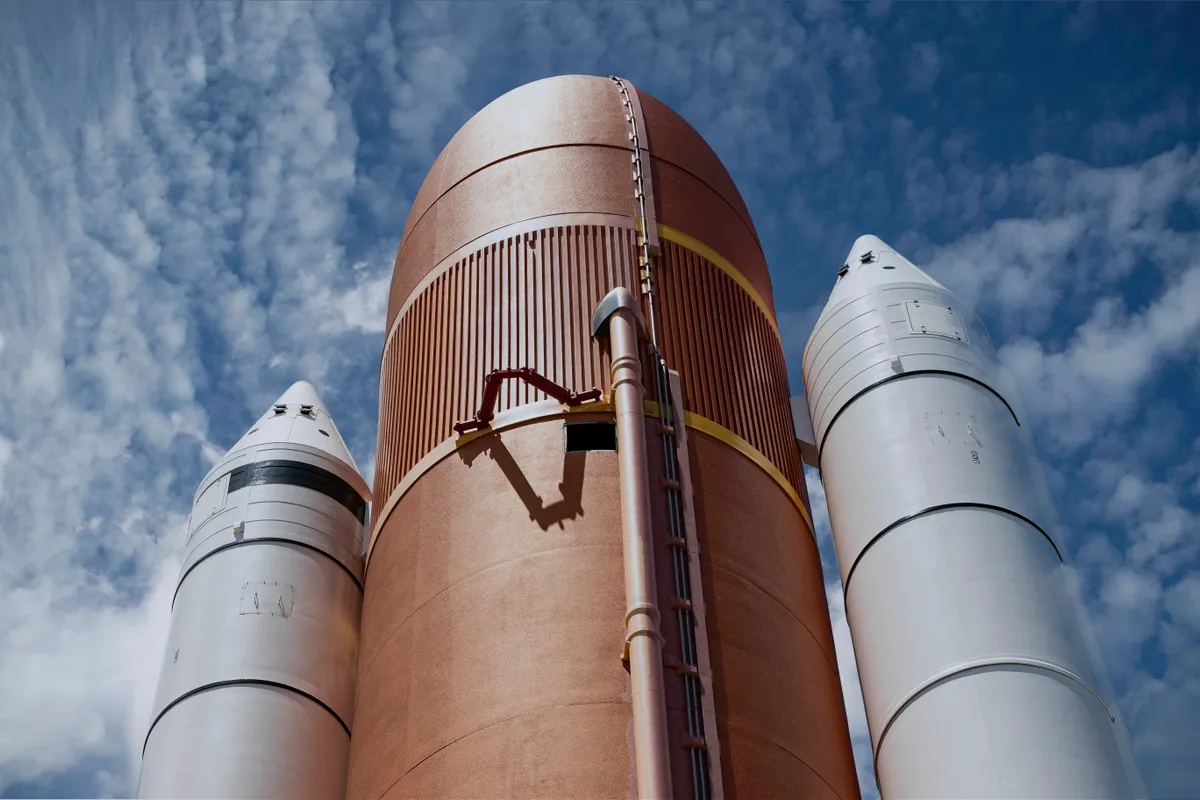
The SpaceX IPO secondary market is set to expose which private investors genuinely own shares in Elon Musk’s rocket company and which have been defrauded, as the stock begins public trading at $135 per share.
SpaceX’s listing values the company at $1.8 trillion, making it the largest IPO of all time. The offering has already raised $75 billion, with total funds based on the portion of stock on offer potentially reaching $86 billion. Demand was three times the amount available.
Secondary market investors face fraud risk as SpaceX IPO begins trading
For years, doctors, lawyers, dentists and other high-net-worth individuals bought SpaceX shares through private contracts on what is known as the secondary market, trading equity in the company before any public listing existed.
Because those deals were struck in private, often in secret, buyers have no way of knowing whether the contracts they hold are legitimate until they attempt to sell.
‘How many people think that they have bought into SpaceX, but they’re actually just funding some dude’s coke habit in Miami? The number is not zero,’ said Matt Grimm, co-founder of defence technology firm Anduril. ‘In some cases, they literally are being scammed.’
Grimm made the remarks in an interview with Fortune.
The question, as Fortune’s Allie Garfinkle has reported, is not whether fraud will be uncovered when the IPO completes, but how much.
Tiered lockup structure governs when SpaceX IPO secondary market sellers can act
Even legitimate shareholders face a wait before they can cash in. According to Morningstar, investors will be able to sell up to 20% of their stock starting on the second full day of trading after SpaceX releases its first earnings report following the end of the second quarter.
A further release is possible after that. Yahoo Finance reports that investors can sell an additional 10% of shares if the stock trades at least 30% above the IPO price for five of the first ten trading days after that earnings report.
The tiered structure is designed to moderate post-IPO selling pressure. For secondary market buyers holding fraudulent or worthless paper contracts, however, no amount of lockup architecture will help, their losses will simply crystallise when they try to convert.
Goldman Sachs leads IPO on record-low fees
Goldman Sachs is lead bank on the offering, having secured the role by agreeing to a gross spread of just 0.75%, one of the lowest fees on record for a deal of this size, Fortune’s Shawn Tully has reported.
The bank will nonetheless receive a portion of an estimated $646 million in total fees, likely capturing the largest single dollar amount given the scale of the transaction.
Demand for SpaceX shares was three times the supply on offer, reflecting investor appetite for a company that has reshaped the commercial launch market and is central to Musk’s broader ambitions in space and satellite broadband.
What happens next
The insider lockup period will run until at least SpaceX’s first post-Q2 earnings release. That is the moment, according to Morningstar, when the first tranche of selling becomes possible, and when secondary market buyers holding genuine contracts will be able to test their value for the first time.
For those holding fraudulent paper, that date will be the point at which their losses become undeniable.
