

Close Menu
Daily NewsDaily News
    Pages
    • Home
    • About
    • Meet the Daily News Team
    • Contact
    • Terms and Conditions
    • Privacy Policy
    Facebook X (Twitter) Instagram
    Facebook X (Twitter)
    Daily NewsDaily News
    Subscribe
    • News
    • Entertainment
    • Finance
    • Health
    • Lifestyle
    • UK Politics
    • Property
    • Technology
    • Travel
    • World
    Daily NewsDaily News
    Home » Latest » Tap-to-pay donation scams can turn £20 into £2,000 in seconds
    News

    Tap-to-pay donation scams can turn £20 into £2,000 in seconds

    Philip MarchettiBy Philip Marchetti06/09/20263 Mins Read
    Facebook Twitter Pinterest LinkedIn Tumblr Email Reddit WhatsApp Copy Link
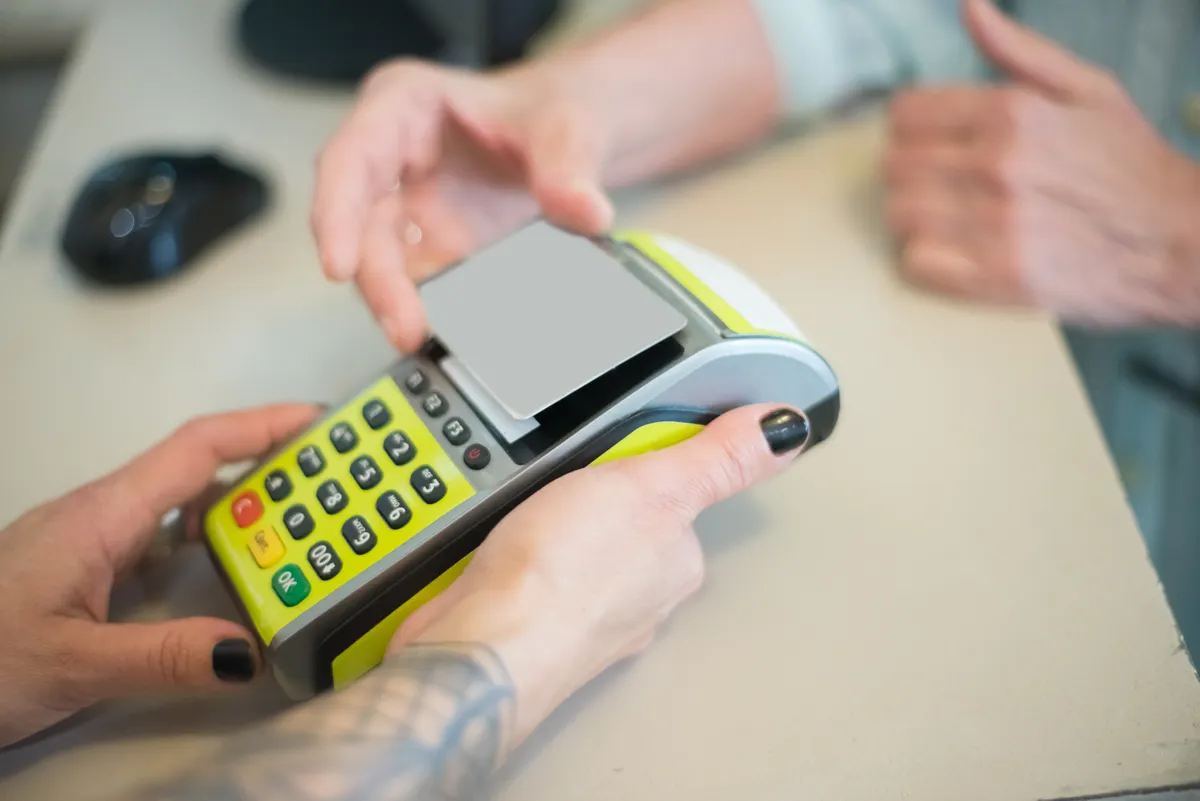
    tap-to-pay donation scams
    Share
    Facebook Twitter LinkedIn Pinterest Email Reddit WhatsApp Copy Link

    Tap-to-pay donation scams are targeting street donors across the United States, with fraudsters posing as charity collectors and quietly inflating payment amounts before a tap is made, according to tech expert Kurt Knutsson of CyberGuy Report.

    A donor who agrees to give $20 can be handed a card reader already set to $2,000, with the altered figure easy to miss on the screen in the moment.

    The Washington State Attorney General’s Office has issued a consumer alert naming a specific operation: Youth Upliftment Society, which is organised as a for-profit LLC, is not registered with the Washington Secretary of State as a charitable organisation, and is not listed with the IRS as a public charity under 501(c)(3) status.

    The alert illustrates how tap-to-pay donation scams can operate behind a veneer of legitimacy, with collectors using professional-looking card readers that lend an air of authenticity to the encounter.

    Why tap-to-pay donation scams are hard to spot

    Mary Ann Miller, fraud and cybercrime executive advisor and VP of client experience at identity verification company Prove, told Fortune that authenticating a payment and trusting it are not the same thing.

    ‘The technology may work exactly as designed, but the problem is the manipulation happening around the transaction,’ Miller said.

    ‘Fraudsters are increasingly exploiting trusted interactions and familiar behaviours rather than trying to break through security controls,’ she added. ‘As these attacks become more convincing, consumers can’t rely solely on intuition or a single authentication step to determine whether an interaction is legitimate or not.’

    Miller advises donors to pause and check the amount displayed on the card reader before tapping.

    Recovering lost funds is not guaranteed

    Once a donor authorises a payment, clawing the money back becomes difficult, Eva Velasquez, chief executive of the non-profit Identity Theft Resource Center, told Fortune.

    Credit cards offer some protection because cardholders can dispute a charge with their issuer. Instant payment methods carry no equivalent safeguard.

    ‘That is going to be much more difficult to articulate to the financial institutions, and there is no guarantee that you will be made financially whole,’ Velasquez said. The reason, she explained, is that the donor did authorise the payment, but did not check the final amount before doing so.

    Velasquez encourages people to reverse the dynamic entirely: choose a charity independently rather than responding to whoever approaches on the street, then vet organisations through third-party accreditation sites before donating.

    Trust in charities already under pressure

    The scams land at a difficult moment for legitimate non-profits. Some 85% of active donors trust the organisations they give to to use funds effectively, according to Bloomerang‘s 2026 Giving Signals Report, conducted with The Harris Poll among more than 1,000 US donors and 400 fundraising leaders in March.

    The same research found that millennials and Gen Z donors are motivated primarily by a sense of belonging to a cause. But that impulse makes them vulnerable to fraudulent appeals designed to mimic legitimate charitable giving.

    Steve Isom, chief operating and financial officer at Bloomerang, told Fortune that donors are willing to trust non-profits but want greater accountability. ‘A bit more trust, but verified,’ he said.

    Increased scam activity risks eroding exactly the goodwill that real philanthropic organisations depend on, particularly as inflation and higher living costs leave consumers with less room for discretionary giving.

    The Washington State Attorney General’s consumer alert on tap-to-pay donation scams remains live on its website, with residents urged to report suspicious collectors to the office directly.

    Post Views: 14
    Follow on Google News Follow on Facebook Follow on X (Twitter)
    Share. Facebook Twitter LinkedIn Tumblr Email Reddit WhatsApp Copy Link
    Previous ArticleSocial Security trust fund depletion by 2032 to trigger automatic benefit cuts as US debt tops $40trn
    Next Article Jensen Huang robot tax rejection puts him at odds with Bill Gates
    Philip Marchetti

    Philip Marchetti spent a decade in broadcast journalism before moving to print and digital. He started as a researcher at a regional TV newsroom, worked his way onto the news desk, and spent five years producing packages on everything from council corruption to factory closures across the Midlands. He went freelance in 2019 and started writing because he missed the reporting and did not miss the rota. He covers UK politics, public services, and the slow-moving institutional stories that only make the front page when something breaks. Philip lives in Nottingham. He reads select committee transcripts the way other people read thrillers, and finds them roughly as plausible.

    Related Posts

    By Philip Marchetti07/09/2026

    Jensen Huang robot tax rejection puts him at odds with Bill Gates

    By Philip Marchetti06/09/2026

    Social Security trust fund depletion by 2032 to trigger automatic benefit cuts as US debt tops $40trn

    By Philip Marchetti06/09/2026

    Why the upper-middle-class trap makes $300k feel like barely enough

    Top Stories

    Jensen Huang robot tax rejection puts him at odds with Bill Gates

    07/09/2026

    Tap-to-pay donation scams can turn £20 into £2,000 in seconds

    06/09/2026

    Social Security trust fund depletion by 2032 to trigger automatic benefit cuts as US debt tops $40trn

    06/09/2026

    Why the upper-middle-class trap makes $300k feel like barely enough

    06/09/2026
    Topics
    • Accessories
    • Adventure
    • Aerospace & Defence
    • Animal
    • Animals & Pets
    • Art & Culture
    • Automotive
    • Awards
    • Banking
    • Books & Publishing
    • Business
    • Business & Retail
    • Career
    • Charity
    • Community
    • Culture & Art
    • Cybersecurity
    • Defence
    • Design & Innovation.
    • Economics
    • Economy
    • Education
    • Electronics
    • Employment
    • Energy
    • Entertainment
    • Environment
    • Event
    • Events & Festivals
    • Fashion
    • Fashion & Beauty
    • Featured
    • Festivals
    • Finance
    • food
    • Food & Beverage
    • Gaming
    • Health
    • Homes & Interiors
    • Hospitality
    • Hotels
    • Housing & Social Care
    • IT
    • Legal and Compliance
    • Lifestyle
    • Marketing & Advertising
    • Media
    • News
    • Pets
    • Property
    • Real Estate
    • Research & Development
    • Retail
    • social
    • Society & Culture
    • Sports
    • sustainability
    • Technology
    • Trade
    • Transport
    • Travel
    • UK Politics
    • Vehicle
    • Weather & Climate
    • Wildlife
    • World
    Facebook X (Twitter) LinkedIn
    • Home
    • About
    • Meet the Daily News Team
    • Contact
    • Terms and Conditions
    • Privacy Policy
    © 2026 dailyNews.

    Type above and press Enter to search. Press Esc to cancel.