

Close Menu
Daily NewsDaily News
    Pages
    • Home
    • About
    • Meet the Daily News Team
    • Contact
    • Terms and Conditions
    • Privacy Policy
    Facebook X (Twitter) Instagram
    Facebook X (Twitter)
    Daily NewsDaily News
    Subscribe
    • News
    • Entertainment
    • Finance
    • Health
    • Lifestyle
    • UK Politics
    • Property
    • Technology
    • Travel
    • World
    Daily NewsDaily News
    Home » Latest » The State of UK EV Charging and What It Means for Drivers
    News

    The State of UK EV Charging and What It Means for Drivers

    Isobel FarrowBy Isobel Farrow04/08/20264 Mins Read
    Facebook Twitter Pinterest LinkedIn Tumblr Email Reddit WhatsApp Copy Link
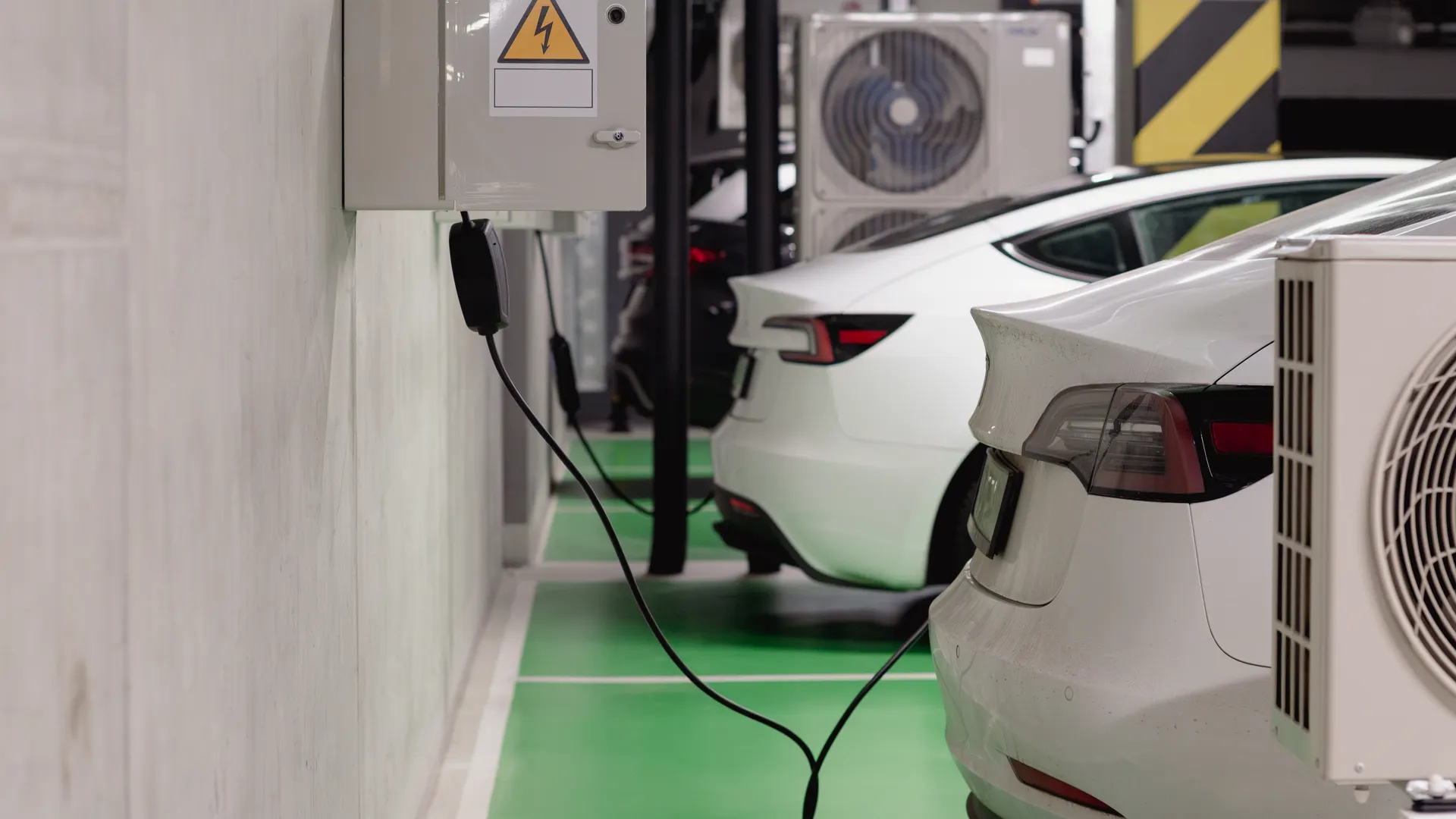
    Electric vehicle charging station connected to a parked car, representing the UK's growing EV charging infrastructure network
    The UK's expanding EV charging landscape is reshaping how electric vehicle owners access power and plan their journeys
    Share
    Facebook Twitter LinkedIn Pinterest Email Reddit WhatsApp Copy Link

    The State of UK EV Charging and What It Means for Drivers

    The question that hangs over every conversation about electric cars is the same one: what happens when the battery runs low and you are not at home? For years that anxiety, more than price or range, was the thing that kept drivers in petrol cars. The honest answer in 2026 is that the public charging network has grown enormously, but the experience still depends a great deal on where you are and how you plan. Understanding the real picture, rather than the headlines from either side, helps anyone weighing up an electric car make a sensible decision.

    The growth is genuine and fast. The UK passed tens of thousands of public charge points some time ago and continues to add thousands more every quarter, with the total climbing at double-digit annual rates. Tools that map the network, such as the EV charging points map run by Zapmap, now track well over a hundred thousand connectors across dozens of networks. The pace of installation has turned what was once a patchy, unreliable network into something far closer to genuine national coverage, particularly along major routes and at motorway services where rapid chargers can add meaningful range in the time it takes to drink a coffee.

    But coverage is not evenly spread, and that is the part drivers need to understand. Charge points cluster in cities, around motorways and in the more affluent south. Rural areas, smaller towns and parts of the north have far thinner provision. A driver in a well-served city who can also charge at home will rarely think about it. A driver in a rural area who relies entirely on public charging will have a very different experience. The national average figure hides this completely, which is why anyone considering an electric car should look at the actual provision on the roads and in the places they personally drive, not the headline national total.

    Home charging remains the quiet key to the whole thing. Drivers who can fit a charger at home, and charge overnight on a cheap off-peak tariff, get the best of electric motoring: a full battery every morning at a fraction of the cost of petrol, and almost no reliance on the public network for daily driving. For these drivers the public charging conversation only matters on longer journeys. The harder case is the roughly third of households without off-street parking, who depend on public or on-street charging for everything. Closing that gap, through on-street chargers and charging hubs, is where much of the current effort is focused, but it remains the weakest part of the picture.

    Cost is another area where the experience varies. Charging at home overnight is cheap. Rapid public charging on the motorway can cost several times as much per unit, occasionally approaching the running cost of a petrol car for that leg of a journey. The savings electric drivers talk about are real, but they come mostly from home charging. A driver who would rely heavily on rapid public chargers should run the numbers carefully rather than assume electric is always cheaper.

    Reliability has improved but is not solved. The frustration of arriving at a charger to find it broken, occupied or incompatible has eased as networks have invested in maintenance and as live status information has become standard in the mapping apps. Being able to check before you set off whether a charger is working and free has taken a lot of the gamble out of longer trips. It is not perfect, and a back-up plan still pays off on unfamiliar routes, but the days of driving to a single charger and hoping are largely behind us.

    The practical takeaway for anyone considering the switch is to be specific. The right question is not whether the national network is good enough in the abstract, but whether it works for your driving, your home and your routes. For a driver with home charging and mostly local journeys, an electric car already makes complete sense. For others, the answer depends on details worth checking before committing. The network has come a long way; matching it to your own circumstances is what turns the decision from a leap of faith into a straightforward calculation.

    Post Views: 10
    Follow on Google News Follow on Facebook Follow on X (Twitter)
    Share. Facebook Twitter LinkedIn Tumblr Email Reddit WhatsApp Copy Link
    Previous ArticleWhat Smart Investors Check Before Buying a Short-Term Rental
    Isobel Farrow

    Isobel Farrow came to current affairs writing through think tank research. She studied politics at a Scottish university, spent four years at a Westminster policy institute producing briefings on devolution and constitutional reform, and did a stint in a minister's private office before deciding she preferred asking questions to drafting answers. She writes about elections, legislation, devolution, and the mechanics of how government actually works when the cameras leave. She has read enough statutory instruments to know that the boring ones matter most. Isobel lives in Edinburgh. She thinks most political commentary mistakes volume for insight, and that the phrase 'sources close to' does more heavy lifting than any backbencher.

    Related Posts

    By Isobel Farrow04/08/2026

    What Smart Investors Check Before Buying a Short-Term Rental

    By Isobel Farrow04/08/2026

    Why More UK Small Businesses Are Turning to Alternative Lenders

    By Isobel Farrow04/08/2026

    How Digital Marketing Services and Operational Discipline Keep Small Firms Standing

    Top Stories

    The State of UK EV Charging and What It Means for Drivers

    04/08/2026

    What Smart Investors Check Before Buying a Short-Term Rental

    04/08/2026

    Why More UK Small Businesses Are Turning to Alternative Lenders

    04/08/2026

    How Digital Marketing Services and Operational Discipline Keep Small Firms Standing

    04/08/2026
    Topics
    • Accessories
    • Adventure
    • Aerospace & Defence
    • Animal
    • Animals & Pets
    • Art & Culture
    • Automotive
    • Awards
    • Banking
    • Books & Publishing
    • Business
    • Business & Retail
    • Career
    • Charity
    • Community
    • Culture & Art
    • Cybersecurity
    • Defence
    • Design & Innovation.
    • Economics
    • Economy
    • Education
    • Electronics
    • Employment
    • Energy
    • Entertainment
    • Environment
    • Event
    • Events & Festivals
    • Fashion
    • Fashion & Beauty
    • Featured
    • Festivals
    • Finance
    • food
    • Food & Beverage
    • Gaming
    • Health
    • Homes & Interiors
    • Hospitality
    • Hotels
    • Housing & Social Care
    • IT
    • Legal and Compliance
    • Lifestyle
    • Marketing & Advertising
    • Media
    • News
    • Pets
    • Property
    • Real Estate
    • Research & Development
    • Retail
    • social
    • Society & Culture
    • Sports
    • sustainability
    • Technology
    • Trade
    • Transport
    • Travel
    • UK Politics
    • Vehicle
    • Weather & Climate
    • Wildlife
    • World
    Facebook X (Twitter) LinkedIn
    • Home
    • About
    • Meet the Daily News Team
    • Contact
    • Terms and Conditions
    • Privacy Policy
    © 2026 dailyNews.

    Type above and press Enter to search. Press Esc to cancel.