


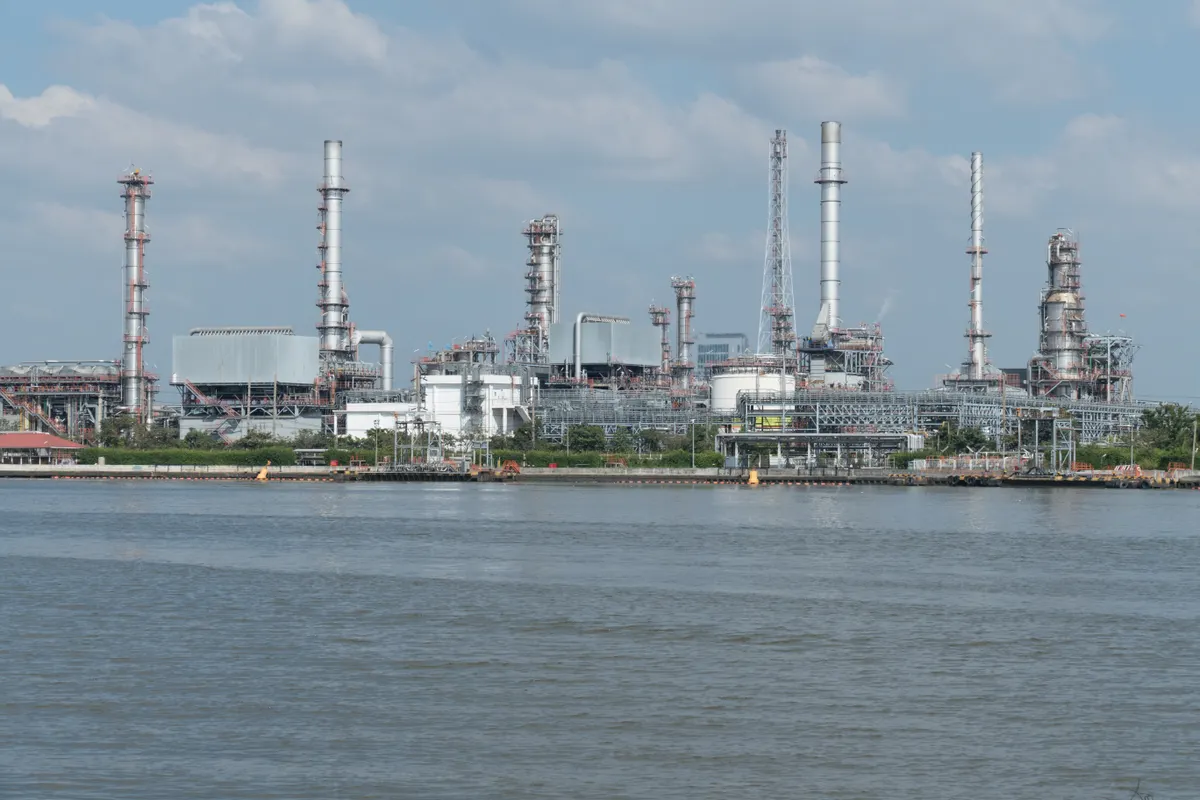
Ukraine drone strikes on Russian refineries have pushed US diesel prices to an all-time high of $5.85 per gallon, according to GasBuddy, as roughly 40% of Russia’s oil-refining infrastructure sits offline.
The record was reached on Friday. Average US gasoline, $4.14 a gallon for regular unleaded, is also the highest ever recorded entering Labour Day weekend, breaking a previous mark set in 2012.
Ukraine drone strikes on Russian refineries accelerate in 2026
According to the BBC, 21 of Russia’s 38 large refineries have been hit since January, with successful attacks running 48% higher than the whole of 2024. The scale of the campaign is now registering in fuel markets worldwide.
Among the targets is the Omsk refinery, which processed about 22 million tonnes of crude in 2024, making it Russia’s largest, according to OilPrice. It sits more than 2,000 kilometres from the front line.
Russia halted diesel exports in July and extended the ban through September, potentially longer. That has removed an estimated 3% of daily global diesel supply from markets.
‘The Russia situation is really critical,’ said Matt Reed, president of geopolitical and energy consultancy Foreign Reports. ‘It makes sense that the world’s attention turned to Hormuz since the closure triggered the largest supply shock in history. Yet the real story now is refining constraints that are keeping fuel prices high. When the strait shut, the world tapped crude stocks, but we don’t have the same kind of cushion for refined products.’
Reed added: ‘In 2026, we learned that the global oil market is surprisingly resilient while the refining ecosystem is extremely fragile.’
Diesel shortage not easing before November, analysts warn
Between Russia, the Middle East, and China, more than 10% of global oil-refining capacity is now offline. China has voluntarily mothballed some facilities because of reduced oil imports, while Middle East outages compound the squeeze.
The US has drawn its Strategic Petroleum Reserve down to 44-year lows to keep crude flowing. There is no equivalent reserve for refined fuels.
Gregory Brew, senior energy analyst at the Eurasia Group, said the pressure on product prices is likely to intensify from mid-September and last through November as North American refineries enter autumn maintenance cycles and switch to winter-grade fuel formulations.
‘That’s going to put even more pressure on product prices in the US,’ Brew told Fortune. ‘And that’s likely to come in mid-September and it’s going to last through November.’
Some refineries that had planned maintenance shutdowns will stay online to compensate, but others will still partially close, including Canada’s largest refinery near Maine and several US Gulf Coast facilities.
Patrick De Haan, head of petroleum analysis at GasBuddy, said the knock-on effects for consumers extend well beyond the pump. ‘Higher diesel prices impact consumers as rising supply chain costs increase the price of groceries, household goods, deliveries, and countless other products Americans rely on every day,’ he said.
Farming and trucking are heavily reliant on diesel, pushing up the cost of food and other goods across supply chains.
Ukraine’s drone campaign has grown in range and accuracy under the Trump administration, which reversed the Biden-era policy of deterring strikes on Russian energy assets. Brew said Russian air defences have been ‘slowly whittled down’, allowing Ukrainian drones to reach facilities including refineries around Moscow.
‘What’s changed is how much success they’ve had at hitting their targets,’ Brew said. ‘The Ukrainians are having more success hitting refineries, including around Moscow.’
The widening campaign has drawn in neighbouring countries. Kazakhstan’s oil output has been periodically disrupted because its exports depend on the Caspian Pipeline Consortium running through Russia. NATO fighter jets destroyed a drone near Romania’s Black Sea natural gas projects.
Brew warned that Russia’s deteriorating domestic energy position could push President Vladimir Putin toward escalation. ‘If they’re seeing their domestic energy infrastructure slowly disintegrate, will that compel Putin to escalate the war to shift the balance more in his favor? I think that’s a real risk,’ he said.
Brew’s assessment of where the balance is shifting: ‘The Russians are having an increasingly hard time defending their domestic infrastructure. It’s affecting the global energy market, and it might be compelling Russia toward pathways of escalation to improve the status quo in their favor.’
