


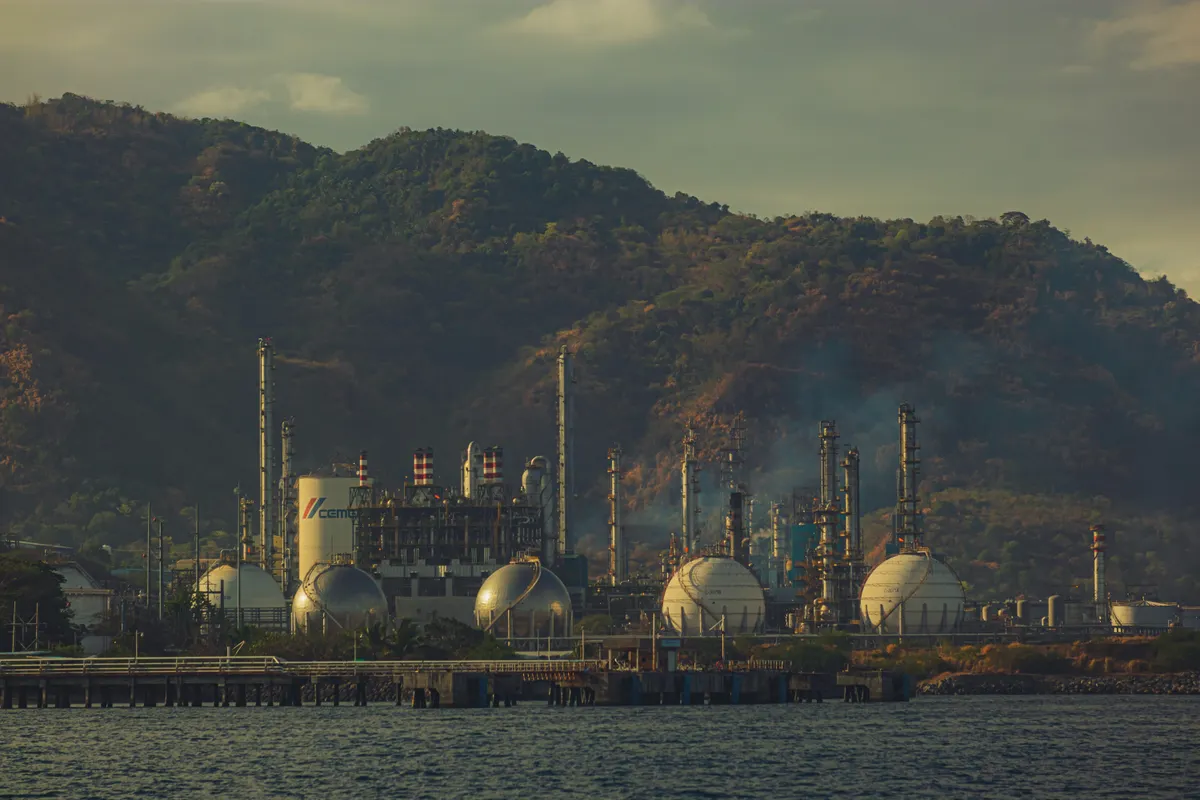
The Brent crude oil price stood at $105.82 per barrel at 9:15am Eastern Time on 11 September 2026, up 62 cents on the previous day and roughly $39.25 higher than the same point a year ago.
According to Reuters, Brent has traded above $100 per barrel since 3 September, driven by escalating Middle East conflict. Roughly two-thirds of global oil supply is priced against the Brent benchmark.
Why the Brent crude oil price matters at the pump
Crude oil makes up a majority of the per-gallon cost at petrol stations, meaning a sustained run above $100 feeds quickly into consumer fuel bills.
Refining costs, transportation, taxes and a retailer’s own margin are all added on top. When oil climbs, pump prices tend to follow swiftly. When oil falls, pump prices often lag, a pattern sometimes described as “rockets and feathers.”
The gap between today’s price and last year’s level illustrates how sharply conditions have shifted. The U.S. Energy Information Administration (EIA) reported that the annual average Brent price was $69 per barrel, the lowest since 2020 even after adjusting for inflation, underlining how rapidly the market has reversed.
Supply, demand and the Strategic Petroleum Reserve
Oil prices are ultimately set by supply and demand, though geopolitics, OPEC+ decisions and domestic drilling policy all shape the outlook. The U.S. Department of Energy maintains the Strategic Petroleum Reserve as an emergency buffer, capable of providing temporary relief during supply shocks, though it is not a long-term price mechanism.
When supply tightens sharply, as it did following Middle East disruptions earlier this month, even a large reserve can only slow, not reverse, a price spike.
Natural gas markets also respond to moves in crude. If oil prices stay elevated, some industrial operators shift processes to natural gas where they can, pushing up demand and prices in that market too.
In the United States, domestic shale production remains a structural buffer. The more shale capacity operators bring online, the greater the cushion against price spikes driven by overseas supply cuts.
In 2025, the Trump administration moved to reopen more than 1.5 million acres in the Coastal Plain of the Arctic National Wildlife Refuge for oil and gas leasing, reversing a Biden-era restriction on Arctic drilling. That decision has the potential to affect future domestic supply levels.
Historically, Brent has been anything but stable. Prices collapsed below $20 per barrel during the 2020 COVID lockdowns as demand fell sharply. They spiked in 2008 on surging global demand before crashing alongside the financial crisis. The 1970s brought the first major shock, when the Middle East imposed an embargo during the Yom Kippur War.
Whether today’s level holds will depend on how conflict in the Middle East develops and whether OPEC+ adjusts its output targets at its next scheduled review.
