


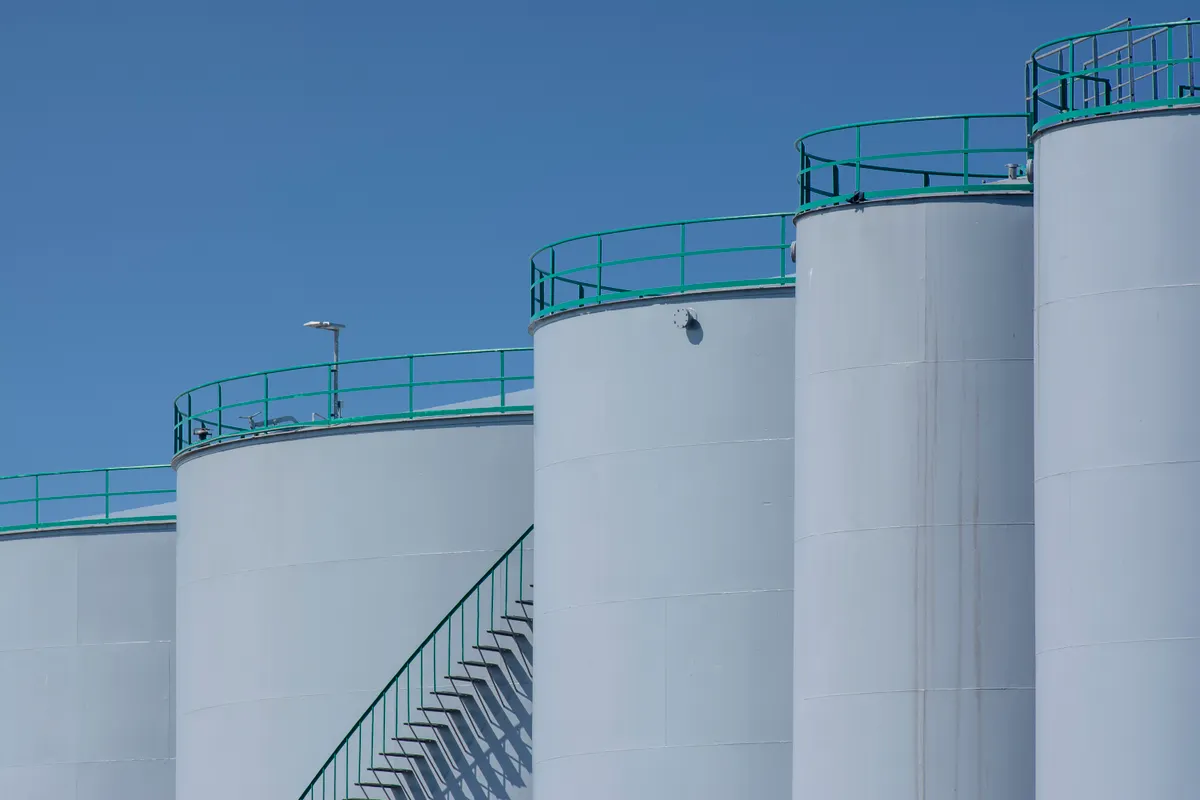
The Equinix Secaucus diesel spill has sent 5,000 gallons of fuel into a New Jersey waterway after a storage tank at the firm’s data centre began leaking last week, the New Jersey Department of Environmental Protection confirmed.
The fuel flowed into Patch-identified Sack Creek, which runs past Harmon Cove Towers before joining the Hackensack River. The spill did not reach the river itself and is now contained.
Cleanup crews working over the weekend recovered approximately 3,500 gallons by Monday. Work to recover fuel from affected stretches of the creek is continuing.
The department said no drinking water intakes are near the spill area and no impacts on local wildlife were observed.
Broken valves behind the Equinix Secaucus diesel spill
Secaucus Mayor Michael Gonnelli initially attributed the incident to a ‘computer glitch’, telling local news outlets the data centre had operated without incident since opening in 2001.
Equinix gave a different account. The company said in a statement that the spill resulted from two broken valves used in routine filtration, and that it is finalising a full incident response report to prevent a recurrence.
‘We regret that this occurred and the concern it has caused the community,’ the company said.
The spill is the largest data centre-related fuel leak recorded in New Jersey. An Equinix facility in North Bergen spilled 1,800 gallons of diesel in 2022. A separate incident in 2017 saw 600 gallons enter storm drains in the Clifton area.
Data centre diesel risks under growing scrutiny
Diesel generators are central to data centre operations, providing backup power during outages. Unplanned outages can cost operators up to $1 million per hour and have been linked to cancelled flights and emergency vehicle rerouting, according to a March report by the Better Data Center Project.
The organisation found that data centre diesel generator capacity tripled from 20 gigawatts to 55 gigawatts between 2018 and 2024. In Virginia, more than 10,500 generator units had been permitted by the end of last year, with total power usage equivalent to roughly 20 million US homes.
The Better Data Center Project noted that most diesel leaks at data centres are small, under 200 gallons. It recommended a shift toward battery-powered generators and structural grid improvements to reduce the frequency of outages that make diesel backup necessary.
‘The magnitude of diesel generator capacity already permitted and installed means that some communities will experience harm even if generators are used only for testing, maintenance, and rare emergency outages,’ the organisation said.
The Secaucus incident sits against a broader pattern. In July, officials in Cheyenne, Wyoming, identified a rare bacterium that had entered its wastewater treatment facility from a nearby Meta data centre. There have been at least 10 data centre diesel spills across the US over the past two decades.
For context, the US has recorded more than 4,900 oil spills since 2010, according to Department of Transportation data, with the vast majority involving crude oil from transportation, drilling and extraction. Those spills have exceeded 134 million gallons in total. The largest data centre diesel spill on record, a 2008 leak at an AT&T plant in Bothell, Washington, totalled 15,000 gallons.
Public concern about AI’s environmental footprint is rising. Some 53% of Americans say they are worried about the environmental impacts of AI, according to polling by the Associated Press–NORC Center for Public Affairs Research. That compares with 32% concerned about meat production, 28% about air travel and 28% about cryptocurrency.
Michael Greenstone, director of the University of Chicago’s Energy Policy Institute, told the Associated Press that the relative newness of AI is driving heightened public concern despite comparable effects from other industries. ‘We’re undertaking a massive experiment in real time, and I don’t think there’ll be any putting the milk back in the bottle,’ he said. ‘Change is scary, and I think some of that is being reflected here.’
The New Jersey Department of Environmental Protection said crews are still working to recover fuel from impacted areas of Sack Creek.
