


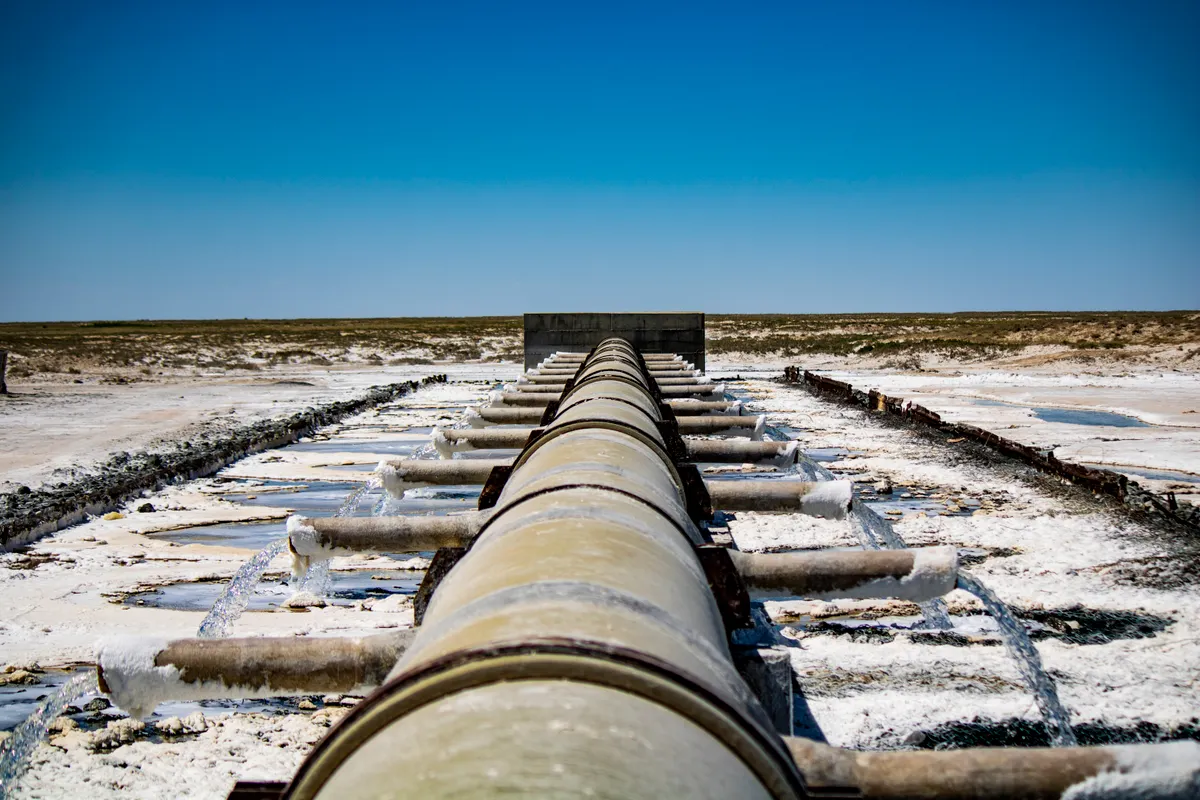
Grand Canyon pipeline flood damage has left an estimated 40% of the park’s sole water supply line destroyed, officials said Monday, after weekend flash floods killed at least two people and forced rescuers to pull roughly 80 visitors to safety.
Grand Canyon Deputy Superintendent Brian Drapeaux said: ‘We anticipate miles of the pipeline being destroyed.’ A full survey of the damage will not be completed until Tuesday at the earliest, he added.
One person remained missing Monday night. Overnight accommodation at the park has been halted.
Grand Canyon pipeline flood damage halts a $200 million upgrade project
The 12.5-mile Transcanyon Waterline, the only pipeline serving millions of annual visitors, was already mid-way through a more than $200 million repair and replacement project when the floods struck. That project, which began in 2023, took more than a decade to design and fund.
The pipeline was finished in the 1970s and has broken more than 85 times since 2010. The terrain is so rugged that helicopters are frequently needed for routine fixes. Engineers designing the upgrade chose flex-steel pipe to balance weight with durability, having rejected the original aluminium, which is lighter but prone to breaking.
The upgrade also planned to move the water intake further down the canyon to Bright Angel Creek, closer to Phantom Ranch. A 2018 evaluation said key intake infrastructure would sit outside areas likely to flood.
Water restrictions now in force on the South Rim
National Park Service officials urged visitors on the South Rim, where most visitors go, to take short showers, turn off taps while brushing teeth and flush toilets selectively to protect limited stored water.
Longtime river runner and Grand Canyon hiker Tom Martin said the park may need to fall back on older methods. ‘They have got to keep law enforcement going, they have to keep rescue operations going, backcountry operations, park admin going, the clinic and the campground,’ he said. ‘In the past, the park has hauled water’ in tanker trucks.
Even routine breaks carry serious consequences. A 1995 break required a 28-day repair effort and officials had to truck water in. In 2016, a hotel on the canyon’s rim was forced to reduce dishwashing and switch to paper plates.
Additional flooding was possible Monday, the National Park Service warned, advising anyone planning to hike, boat or paddleboard near slot canyons or dry washes to consider changing their plans.
The park recorded roughly 4.4 million visitors last year. Officials had previously said the upgrade project would secure the park’s water supply for the next 50 years or more.
The destruction echoes a historic precedent. When the original pipeline was nearing completion in the 1960s, more than a foot of rain fell and flooded the inner canyon, destroying 40% of that project, officials said. The repair and replacement project’s next steps will depend on the full damage survey, due no earlier than Tuesday.
