


The Trump Canada tariff war is shaking Republican Senate campaigns in border states, with Canada set to impose retaliatory duties on 8 September and Ottawa pledging C$7.5 billion in support programmes to shield its own businesses and workers.
Talks broke down over the weekend, prompting President Donald Trump to raise tariffs on $20 billion in Canadian imports. Canada plans to announce its own counter-measures on Tuesday, according to Reuters Connect, with those measures scheduled to take effect on 8 September.
The escalation lands in the middle of competitive Senate races in Maine, Michigan, Ohio and Alaska, states where Canadian trade underpins entire industries from fisheries and lumber to auto parts and produce.
Collins breaks with Trump on Trump Canada tariff war
Republican Senator Susan Collins of Maine, one of Democrats’ top targets this cycle, campaigned Monday without Vice President JD Vance at her side and issued a direct rebuke of White House policy.
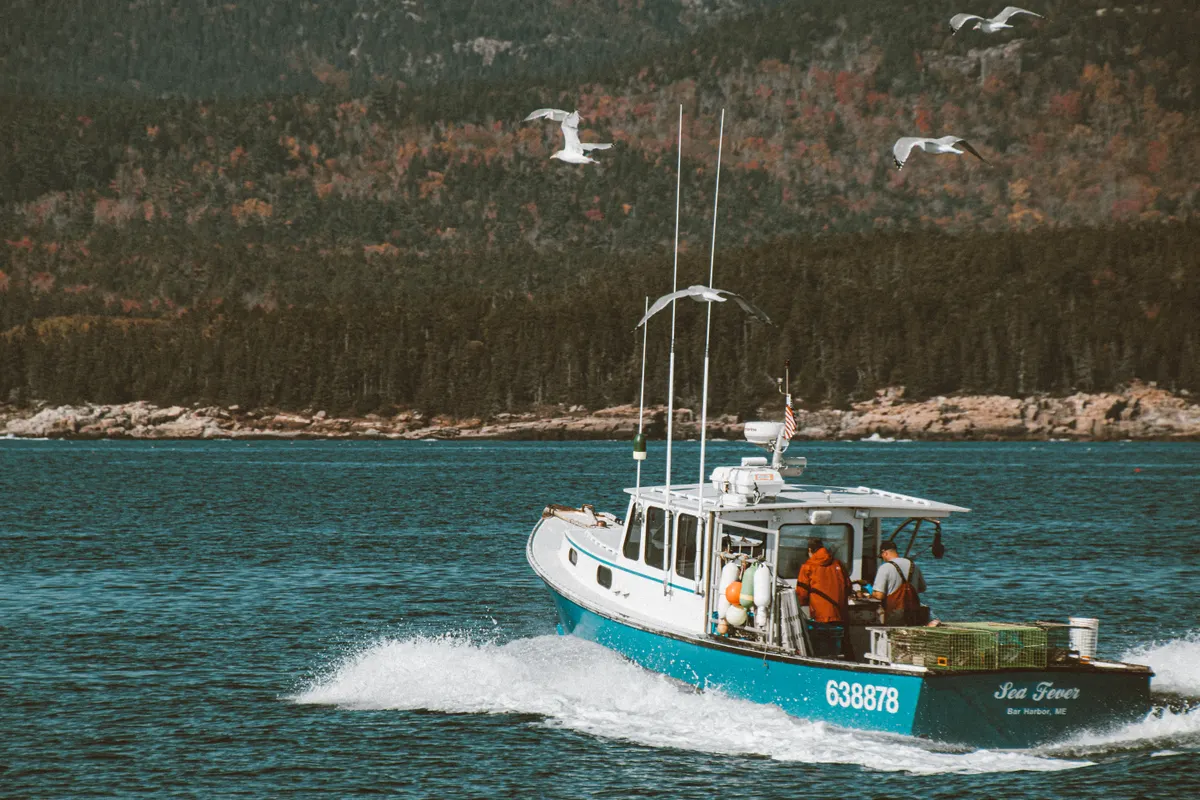
‘Imposing new tariffs on Canada is a mistake,’ Collins said, citing lobsters, blueberries, lumber and other Maine products that rely on Canadian markets.
Vance visited Maine on the same day, praising Collins as ‘our very independent friend’ and telling voters the administration is trying to ensure Maine ‘gets a fair deal’. Collins did not appear alongside him.
Her Democratic challenger, Troy Jackson, a logger-turned-politician, said the tariff row shows Collins does not do enough to stand up to the president. ‘Troy spent most of his life working along the Canadian border, so he knows how important this relationship is to Maine’s economy,’ campaign spokesman Dan Gottlieb said.
Border-state Republicans face difficult economic reckoning
The Trump Canada tariff war is complicating calculations across multiple battleground states. In Michigan, where a third of the state’s exports go north of the border, Democratic Senate nominee Abdul El-Sayed branded Trump’s approach an act of ‘vanity’ and labelled Republican opponent Mike Rogers a ‘rubber stamp’ for White House policy.
In Ohio, former Senator Sherrod Brown is seeking to unseat Republican Jon Husted. Husted signed a bipartisan letter earlier this year urging the administration to move carefully while renegotiating trade terms with Canada and Mexico. But he has also appeared alongside Vance at an Ohio steel plant to champion the ‘America First’ agenda.
Brown has argued there is a clear difference between pressing China, an adversarial economic rival, and imposing erratic tariffs on a neighbouring partner. He has not yet trained his fire directly on Husted over Canada, focusing instead on other disputes. Senate Majority PAC spokeswoman Lauren French said the Canada fight nonetheless ‘fits seamlessly’ into the Democratic case against Trump and his allies. ‘It’s another proof point for the argument that this is a guy who continues to raise your costs for no reason at all,’ she said.
In Alaska, Majority Forward, a political action committee linked to Senate Democrats, has already run television advertisements against Republican Senator Dan Sullivan, warning that ‘the tariffs are hitting Alaska the hardest’.
Marc Short, a former top adviser to Mike Pence, called the dispute a political trap for Republicans in agricultural and border states. ‘Your voters are probably anxious to have somebody representing their interests in Washington right now,’ he said.
Trump, writing on his Truth Social platform Monday, showed no sign of retreat. He said he would raise tariffs on all Canadian automobiles, auto parts and steel to 50% in 2027, adding: ‘WE DON’T NEED CANADA, THEY NEED US!’ U.S. Trade Representative Jamieson Greer struck a calmer tone outside the West Wing, telling reporters: ‘This is something where we don’t actually expect a huge impact.’
Canada’s C$7.5 billion job-protection package, confirmed by Reuters Connect, signals Ottawa intends to absorb a prolonged standoff rather than back down before the 8 September deadline.
Senator Collins put her preferred destination on record: ‘I really want us to go back to the very friendly, economically beneficial relationship that we have with our Canadian neighbors.’
