


There’s a particular moment every summer when a business owner looks at their drinks menu, looks at the queue forming outside on a hot day, and realises that another round of standard soft drinks simply isn’t going to cut it. That, roughly, is the moment slush machines start looking less like a novelty and more like a sound investment.
Slush used to mean one thing: a paper cup of lurid blue syrup handed over at a cinema or an amusement arcade, usually consumed far too quickly and regretted about ten minutes later. These days, that association feels distinctly out of date. Frozen drinks have quietly worked their way into cafés, bars, hotels, festivals and private events, and businesses that once dismissed them as a bit of a gimmick are now taking them rather seriously.
Why a Frozen Drink Actually Works in Summer
The basic appeal isn’t complicated. On a warm day, people want something cold, and a slush delivers that faster and more satisfyingly than most alternatives.
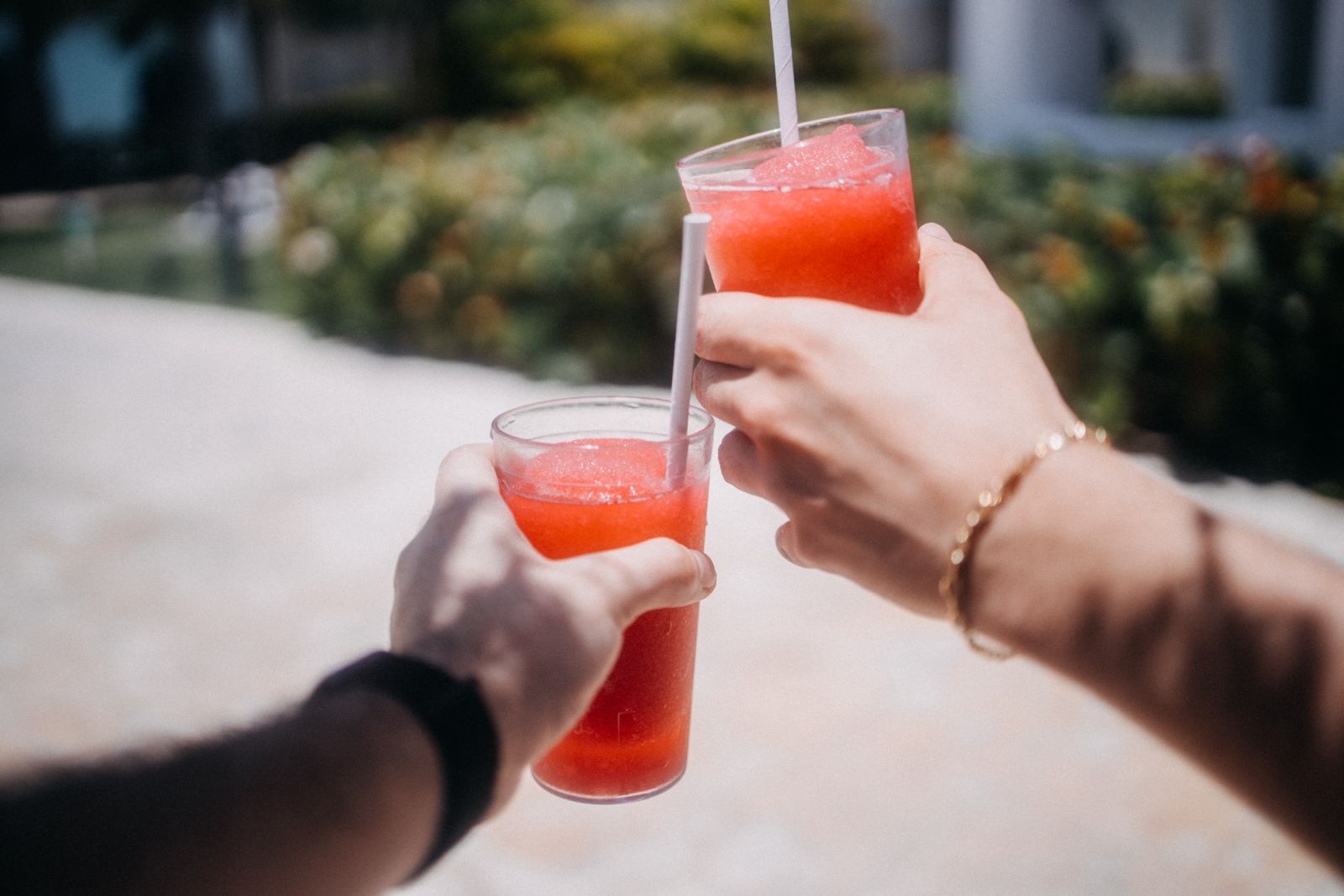
But there’s more going on than temperature. Slush drinks are visually loud in the best possible way, vivid colours, a texture that stands out on a counter full of otherwise fairly ordinary drinks. In an industry where presentation genuinely affects footfall and repeat custom, that’s not a small thing. A brightly coloured frozen drink, served in the right cup with the right garnish, tends to end up photographed and shared without anyone needing to ask.
From Childhood Treat to Genuine Hospitality Trend
The modern slush has moved well beyond sugary drinks aimed squarely at children. Bars and restaurants have started building proper frozen cocktails, pairing the familiar slush texture with recognisable spirits and cocktail flavours. Alongside that, frozen mocktails have become a real fixture on drinks menus rather than an apologetic afterthought for anyone not drinking.
That range is precisely what makes slush interesting from a business perspective. One format, several audiences. A family-friendly café can lean into fruity, approachable flavours, while a cocktail bar can go considerably more adventurous. Event organisers, meanwhile, can build entire themed drinks around a colour scheme or an occasion, which is a level of customisation you don’t get from a standard fridge full of cans.
The Business Case for a Slush Machine
Here’s where the practicalities come in, because a good idea is only useful if someone can actually deliver it during a Saturday night rush without the whole thing falling apart.
Making frozen drinks to order, by hand, for any real volume of customers, is not a sustainable plan. A dedicated slush machine solves that by producing and maintaining a consistent frozen product throughout service, so staff aren’t improvising with blenders and bags of ice every time someone orders one.
Machines also scale to the business. A small café has very different needs from a busy bar, a hotel, or an event company doing several functions a week, and choosing the right equipment matters more than people expect. For anyone weighing up options, it’s worth browsing the full range of slush machines rather than assuming one size fits every kind of venue, because it very much doesn’t.
Multiple flavour capacity is another practical advantage. Rather than committing to a single drink, venues can rotate flavours by season, run limited-time options, or simply keep things interesting for regulars who’d otherwise get bored of the same frozen strawberry every visit.
A Natural Fit for Events
Events are arguably where slush earns its keep the fastest. Festivals, weddings, outdoor markets, corporate functions and summer parties all share the same basic problem: guests want refreshments that are quick, attractive, and easy to hold while they’re busy doing something else, talking, dancing, pretending to enjoy the corporate networking session.
A slush station does more than dispense a drink. It becomes part of the event itself. A festival might offer several eye-catching flavours side by side; a wedding might match the frozen drinks to the colour scheme, whether the couple intended that level of coordination or not; a corporate event might brand the cups and turn a simple refreshment stop into something people actually remember afterwards. For organisers weighing up whether the investment is worth it, looking at the available machines is generally the sensible starting point, since capacity and output speed matter enormously when you’re serving a few hundred thirsty guests in one afternoon.
Alcohol-Free Options Are Expanding the Market
One of the more significant shifts in hospitality generally is the growing expectation that alcohol-free drinks should be interesting, not just water with a slice of lime and an air of quiet disappointment.
Frozen mocktails answer that expectation well. Strawberry, raspberry, mango, lemon, lime and passion fruit all translate nicely into frozen form, and they give designated drivers, younger guests, and anyone simply not drinking that day something that still feels like an occasion. For venues already running a cocktail menu, adding frozen mocktail versions is a relatively small step that broadens the appeal considerably, without requiring an entirely new approach to service.
Presentation Still Does Half the Work
What’s in the cup matters, obviously, but how it’s presented matters almost as much. Colour, glassware, garnish and serving style all shape how a customer experiences the drink, and in a hospitality market where everyone is competing for the same limited attention, a distinctive-looking frozen drink can be a genuinely useful point of difference.
Not Just a Summer Gimmick
It’s tempting to file slush machines under “seasonal purchase,” used for three warm months and then left gathering dust until next June. That would be a bit of a waste, frankly. Flavours and recipes can shift with the calendar: autumn fruit combinations, winter dessert-inspired options, or drinks built around specific events throughout the year. Businesses that already own the equipment have every reason to keep using it well beyond August.
What Comes Next for Frozen Drinks
All of this points to a broader shift in how people think about drinks generally, less about simply quenching thirst, more about flavour, presentation and a bit of an experience alongside it.
For businesses and event organisers, that’s an opportunity worth taking seriously. A slush machine isn’t just a way of making an old-fashioned frozen drink; it’s a fairly low-effort way to build new menu items, sharpen an event’s visual identity, and give customers one more reason to choose one venue over another. What began as a nostalgic treat has quietly become a genuinely useful piece of hospitality kit, and for anyone planning next summer’s offering, it’s one of the more straightforward places to start.
